


Roofing Specialists in San Diego: Choosing a Replacement Contractor

Updated: Oct 5
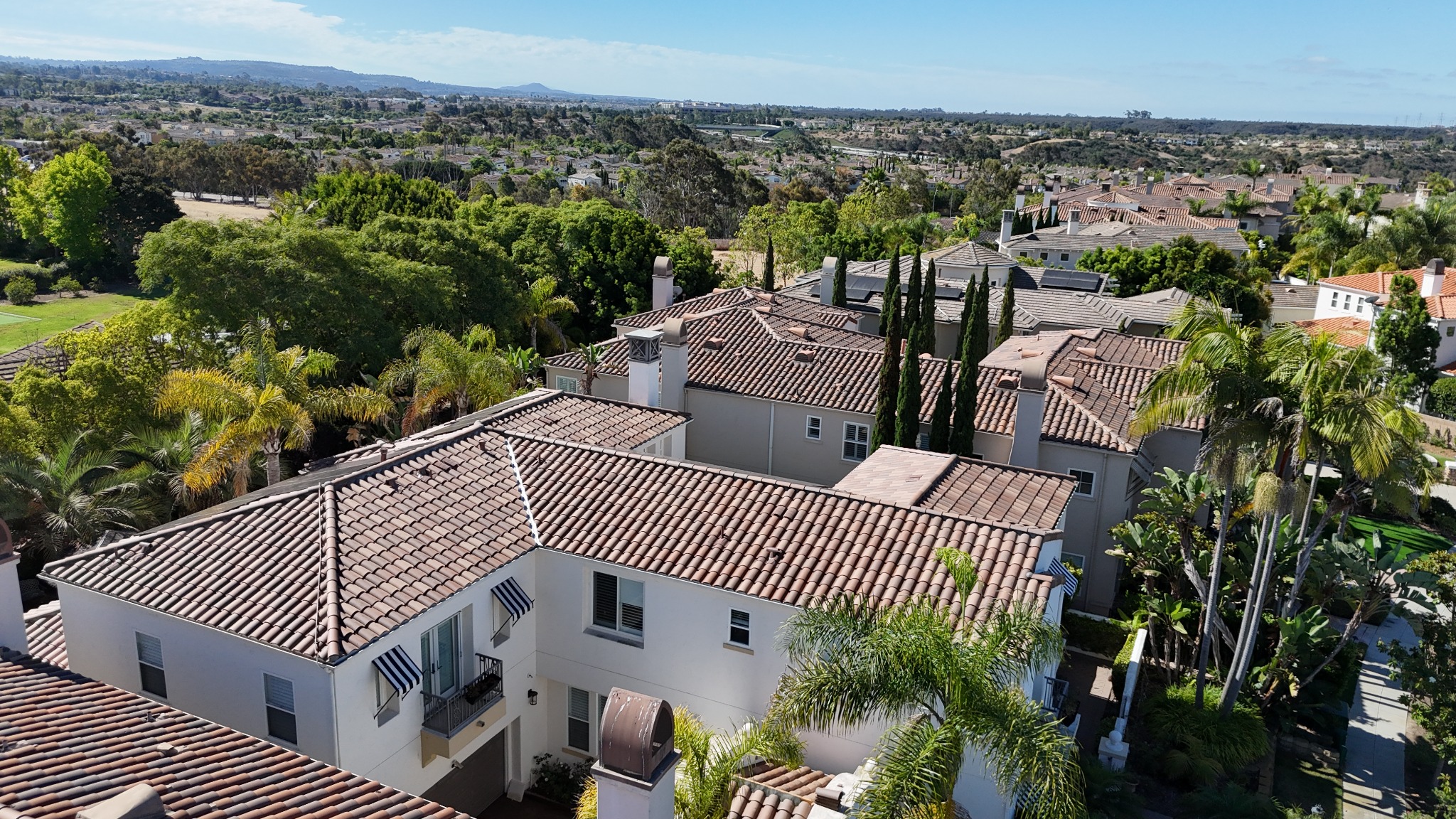
Project photo: Old World clay tile roofing project completed by Higher Levels Roofing in San Diego. Explore our roofing case studies for the project scope and gallery.
What if the best roof for your San Diego home isn’t the one that looks right on a sample board, but the one suited to your neighborhood’s climate and your roof’s design? Skilled roofing specialists look beyond appearance, matching materials and workmanship to local conditions so your roof can protect your property and complement its style.
It’s reasonable to be cautious when a roofing project involves major decisions. You want to avoid unlicensed workers and storm chasers, understand why one material may suit a coastal home while another works better inland, and know what to expect before committing to a repair or replacement. A qualified specialist should explain the options, answer your questions, and show you how to verify their credentials.
This guide explains what sets a roofing specialist apart from a general contractor and how to choose an expert for your home or business. You’ll learn what to look for in a contractor, how San Diego’s varied microclimates can affect material choices, and which project details to discuss before work begins. The goal is a sound, well-crafted roof and a decision you can make with confidence.
Key takeaways
Roofing specialists bring material-specific experience that can help you assess options for shingles, tile, or low-slope roofing.
Compare roofing materials with your property’s location and roof design in mind, rather than choosing by appearance alone.
Ask contractors for examples of comparable work and verify their license and insurance before moving forward.
Clear explanations of the proposed system, scope, and workmanship can help you make a more confident roofing decision.
Higher Levels Roofing works with residential and commercial roofing systems, including asphalt shingles, clay and concrete tile, TPO, and torch down.
Table of Contents
What Roofing Specialists in San Diego Do
A roofing specialist is a contractor with focused experience in particular roofing systems, including the tools and installation knowledge those systems require. A specialist should also understand which requirements apply to local projects. In practical terms, that means bringing system-specific workmanship to the roof that protects your property, while confirming relevant building requirements for the project.
A roof does more than cover a building. It helps shield the structure from weather and works as part of the building envelope. For a neutral overview of what a roof is, consider how its materials and construction contribute to that protective role. In San Diego, the right approach also depends on the existing roof, the selected material, and the project’s scope.
The Difference Between Generalists and Specialists
A general contractor may coordinate many types of building work, while a roofing specialist concentrates on roofing systems and their details. That focused experience matters with clay or concrete tile, where consistent alignment and careful handling affect appearance and performance, or TPO, which uses installation methods different from those used for shingles. Not every general contractor lacks the right equipment or experience, so ask about the crew’s direct experience with your specific system.
Roofing work also involves moisture management and the way the roof connects with the rest of the structure. A knowledgeable contractor should explain relevant ventilation considerations and identify which building requirements apply, rather than make broad assumptions about every San Diego property. Familiarity with a particular material can help a crew work methodically and avoid preventable installation mistakes. Project timelines, however, depend on the roof and scope.
Why Specialization Matters for Your Home’s Value
Installation quality can influence how a roof looks and performs, as well as whether it qualifies for manufacturer coverage. Warranty terms vary, so ask the contractor which requirements apply to the selected material and request the relevant documentation. A clear explanation is more useful than a vague promise.
Precision is visible. Even tile lines, clean shingle courses, and carefully finished transitions can support curb appeal, while sound installation may help reduce avoidable repair needs. Important details also sit beneath the finished surface. Before approving a project, discuss the proposed work and how the contractor will address the roof’s existing conditions.
Before hiring, verify the contractor’s license through the California Contractors State License Board and confirm the appropriate C-39 roofing classification. Ask for proof of insurance and clarify what coverage applies to your project. Higher Levels Roofing is a licensed, locally owned San Diego contractor specializing in residential and commercial roofing, including shingles, clay and concrete tile, TPO, and torch down systems. Ask about experience with your specific material to assess whether it matches your roof’s needs.
Specialist Material Expertise: Choosing the Right System
The right roofing material depends on more than appearance. A specialist considers the roof’s pitch, existing structure, drainage, and intended use before recommending a system. Roof weight matters too, particularly when replacing a lighter covering with tile. Ask how the contractor will assess the structure and confirm which material options suit your property.
Residential Favorites: Shingles and Tiles
Asphalt shingles offer a familiar, adaptable option for many San Diego homes. Clay and concrete tile provide distinctive shapes and textures, and are common choices in the region. In high-UV areas, don’t rely on broad lifespan claims alone. Material quality, installation, exposure, and upkeep all affect how a roof performs over time. Ask about maintenance needs and warranty terms for the specific system being proposed.
Tile style also affects the finished look. Flat concrete tile creates a different profile from concrete S-tile, and the roof’s design influences which may be suitable. Ask how the contractor will handle alignment and flashing, and whether repairs may be needed. Request examples of comparable work. For a broader comparison, see this guide to roofing materials.
Commercial and Flat Roof Specializations
On low-slope roofs, TPO and rolled asphalt torch down are options with different installation methods and project considerations. TPO is used on commercial roofing projects, while torch down may suit certain flat or low-slope sections of a residence. Neither is an automatic fit. The contractor should explain how the roof’s layout, drainage, existing conditions, and intended use inform the recommendation. Review this TPO commercial roofing case study to learn more about considerations for that system.
What a Specialist Evaluates
A material recommendation should follow an assessment, not come from a one-size-fits-all pitch. Roofing specialists can compare a system’s requirements with the property’s roof pitch and structural capacity, then explain the trade-offs in clear terms. Before deciding, ask:
How does this material suit my roof’s slope and drainage?
Has the structure been assessed for the proposed roofing system?
What maintenance and warranty conditions should I understand?
Which project requirements or local rules need to be confirmed?
For a property-specific discussion of shingles, tile, TPO, or torch down, you can review Higher Levels Roofing’s material options and prepare questions about which system may fit your roof.
The Specialist Advantage: Navigating San Diego’s Climate
San Diego roofs face different stresses from one neighborhood to the next. Coastal salt air, inland sun, and strong Santa Ana winds can influence how roofing materials and details hold up. A roofing specialist should assess the property’s exposure and design, then explain which installation choices address those conditions rather than assume one approach suits every home.
Coastal vs. Inland Roofing Requirements
Near the coast, including La Jolla, salt-laden air can contribute to corrosion of exposed metal components such as flashing and fasteners. Ask which materials are appropriate for those conditions and how the contractor will protect vulnerable roof transitions. Tile roofs also depend on the condition of the underlayment beneath the visible surface. Foggy mornings make moisture management worth discussing, but the right solution depends on the roof assembly and its condition.
Farther inland, including areas around San Marcos and Carlsbad, stronger sun exposure can accelerate wear on roofing materials. Heat can also cause building materials to expand and contract, so ask how the proposed system and installation account for movement and how attic ventilation will be evaluated. The details depend on the home, not just its city.
Cool-roof requirements depend on the applicable code edition, building type, climate zone, roof slope, area replaced and available exceptions. California’s 2025 Energy Code took effect January 1, 2026. Single-family alteration rules differ from new construction, multifamily and nonresidential rules; do not apply one reflectance or SRI threshold to every San Diego roof. Review the California Energy Commission’s alteration guidance and confirm the project’s compliance path with the permitting authority before selecting materials.
Storm Readiness and Wind Uplift Prevention
Santa Ana winds make secure installation details especially important. Roof exposure, slope, edges, and location can all affect how wind interacts with a roof. Ask the contractor to explain how they assess wind-uplift concerns and address perimeter fastening for the proposed system, whether it’s shingles or commercial TPO. Tile and shingle edges deserve careful attention too. A clear description of the fastening approach helps you understand how the roof is designed to stay in place.
For more preparation questions and project considerations, read the San Diego roof replacement guide. You can also discuss your home’s local exposure and roofing options with Higher Levels Roofing.
Vetting Your Specialist: Questions and Standards
A confident presentation isn’t proof of technical skill. Before signing, check the contractor’s credentials, ask for examples of work on your roof type, and make sure the inspection findings and proposed work are explained in writing. Roofing specialists should connect what they observe on your roof to a clear recommendation, rather than rely on a one-size-fits-all pitch.
Verify the contractor’s license through the California Contractors State License Board (CSLB), including the C-39 roofing classification. Request proof of insurance and ask what coverage applies to the work and how it protects you if an accident or property damage occurs. A material-specific portfolio can also help you assess relevant experience. Ask to see examples of tile work if you have a tile roof, or TPO projects for a commercial flat roof.
The Specialist’s Inspection Process
Ask what the inspection covers and what access is needed. A useful report should identify observed conditions, explain their significance, and distinguish repair recommendations from replacement considerations. Ask whether the contractor assessed visible decking, flashing, and ventilation, and request photos or written notes to support the findings. An inspection for planned work may have a different purpose and scope from a real estate roof certification, so clarify what each assessment does and doesn’t cover.
For more hiring guidance, review the San Diego County roofing contractor checklist.
5 Questions to Ask Before Signing
How do you handle the specific flashing requirements for my roof type? Ask the contractor to explain the details that apply to your material and roof layout.
Are your installers certified by the material manufacturer? If they say yes, ask which manufacturer and request documentation. If not, ask how the crew is trained for the system.
What is your process for protecting my landscaping and property during tear-off? Request a clear explanation of site protection and cleanup.
Can I see completed projects using this same roofing material? Look for relevant examples, not just a general portfolio.
What will your inspection report include, and how will you explain unexpected findings? A clear answer helps set expectations before work begins.
Be cautious if a contractor can’t show relevant project experience, avoids questions about licensing or insurance, or pressures you to sign before explaining the scope. Ask for clear written details and time to review them. To discuss a roofing project with a San Diego contractor, contact Higher Levels Roofing.
Roofing Services from Higher Levels Roofing
A roofing project deserves more than a material recommendation. It calls for careful workmanship, clear explanations, and a contractor who understands the different systems used on San Diego homes and commercial properties. Higher Levels Roofing is licensed, locally owned, and focused on roofing, with experience across asphalt shingles, clay and concrete tile, TPO, and rolled asphalt torch down systems.
A residential shingle roof and a commercial flat roof have different design and installation considerations. The company’s range of roofing systems supports conversations about options for different properties. A useful starting point is to discuss the roof’s existing condition, the material options, and the details that affect the finished work.
A Range of Specialized Offerings
For homes, Higher Levels Roofing works with asphalt shingles, clay tile, flat concrete tile, and concrete S-tile. Each system has its own profile and project considerations, so the choice should reflect the building, its existing roof, and the homeowner’s priorities. For commercial properties, the company also works with TPO and rolled asphalt torch down roofing. Learn more about tile options in this guide to roof tiles and San Diego performance.
A thoughtful discussion of materials, project scope, and the details that affect the finished roof can help you understand what the work involves before making a decision. Ask questions, review the proposed scope, and look for communication that leaves you informed rather than pressured.
Ready to Elevate Your Roof?
Start by discussing your property and the roofing system you have or are considering. Share what you’ve noticed and ask what information the contractor will need to assess the roof. For any proposed work, request a clear explanation of the findings, material options, project scope, and how the work area and cleanup will be handled. Confirm these details before signing.
Higher Levels Roofing is a locally owned San Diego contractor serving residential and commercial roofing projects. To discuss your roofing needs and ask about a specialist consultation, contact Higher Levels Roofing.
Choose Your Next Roofing Step with Confidence
A dependable roof starts with an informed choice. Match the roofing system to your property’s needs and local conditions, and look for a contractor who can clearly explain the inspection, scope, and material recommendation. Checking relevant experience, licensing, and insurance can help you move forward with greater confidence.
Higher Levels Roofing is locally owned and operated in San Diego, with licensed professionals specializing in shingle, tile, and TPO systems. The team works on residential and commercial roofing, with a focus on careful workmanship and a finished roof suited to the property.
If you’re planning a roof replacement, new installation or tile lift-and-relay project, discuss your property with Higher Levels Roofing. Start with a documented assessment, suitable material options and a clear written scope.
Frequently Asked Questions
What is the difference between a roofing contractor and a roofing specialist?
A roofing contractor is a professional or business that performs roofing work, while a roofing specialist brings focused experience with particular materials and roof systems. The terms can overlap: a contractor may also be a specialist. For example, a homeowner with a tile roof can ask whether the contractor has direct experience with tile installation and repair. Look for relevant project examples, clear answers about the proposed system, and a valid license.
How often should I have a roofing specialist inspect my San Diego home?
There isn’t one inspection schedule that fits every San Diego home. The right timing depends on the roof’s age, material, condition, and exposure to coastal air, inland heat, or wind. Consider arranging an assessment if you notice signs of damage or a leak, or after a weather event that may have affected the roof. Ask a specialist to recommend an inspection interval based on your roof’s specific condition.
Do roofing specialists in San Diego offer financing for new roofs?
Financing availability varies by contractor. Ask Higher Levels Roofing directly whether financing is offered and request any terms in writing before making a decision. If financing is important to your project, compare the full terms, including any fees or conditions, and don’t assume an option is available until the provider confirms it.
Can existing tiles be reused during a roof replacement?
A tile lift-and-relay project may be appropriate when the existing clay or concrete tiles are reusable but the underlayment, flashings or other concealed components need renewal. A roof assessment should compare tile condition, breakage, available replacements, deck condition and the complete waterproofing scope. Higher Levels Roofing can discuss lift-and-relay or full replacement options and provide a written project scope.
What is the best roofing material for coastal San Diego homes?
There isn’t one best material for every coastal home. Asphalt shingles, clay tile, and concrete tile are among the options to discuss, but the right fit depends on the roof’s design, existing structure, and exposure. In areas such as La Jolla, ask how the proposed system addresses salt air’s effects on exposed metal components and how the roof assembly will manage moisture. Compare maintenance needs and warranty terms too.
How long does a specialist roof installation typically take?
Installation time depends on the roof’s size, material, design, access, and project scope, so a reliable schedule requires details about your property. Existing roof conditions or unexpected repairs may also affect timing. Ask the contractor for an estimated schedule, key project stages, and how changes will be communicated. For a San Diego project, clarify whether required approvals or other site-specific considerations could affect the planned work.
Are your roofing specialists licensed to work in San Marcos and Encinitas?
Higher Levels Roofing is a licensed San Diego-area roofing contractor serving San Marcos and Encinitas, as well as San Diego, La Jolla, and Carlsbad. Before hiring any contractor, verify their current license through the California Contractors State License Board and confirm the classification is appropriate for roofing work. You can also ask for proof of insurance and clarify what coverage applies to your project.
What happens if a specialist finds dry rot during an inspection?
If a specialist finds suspected dry rot, ask them to document its location and apparent extent, explain what may have caused it, and outline the next steps. The appropriate work depends on which roof components are affected and how extensive the damage is. Before authorizing additional work, request an updated written scope and ask whether the finding affects project requirements, timing, or any approvals that may apply.


Comments