


TPO Roof Condition: When to Plan a Commercial Roof Replacement

Updated: Nov 9
Higher Levels Roofing specializes in roof replacements and new installations. Use this guide to record roof condition and prepare for a replacement assessment; references to localized repairs explain the options generally and are not an offer of repair or maintenance services.
A TPO roof’s lifespan depends on more than the membrane itself: when it’s properly installed and maintained, it can last up to 25 years. Annual or biannual inspections help catch developing issues, while checks after severe weather can reveal damage before it worsens. This TPO roof maintenance guide for business owners explains what to watch for and how upkeep can affect the roof’s service life.
It’s reasonable to want clear answers about maintenance costs, roof life, and whether damage calls for a repair or a larger solution. The right decision depends on the roof’s condition, the type and extent of damage, and the work required. A consistent maintenance plan helps you track these factors and make informed decisions.
This TPO roof maintenance guide for business owners explains how TPO roofing works, what routine upkeep involves, which factors affect ownership costs, and how to weigh repair against replacement. Use it to plan practical next steps for your building.
Table of Contents
Higher Levels Roofing focuses on roof replacements and new installations in San Diego County. Bring your inspection notes, photos and roof history so we can discuss whether replacement is appropriate and prepare a scope for your property. An isolated defect does not automatically mean that the entire roof needs replacement.
How Do You Maintain a TPO Roof?
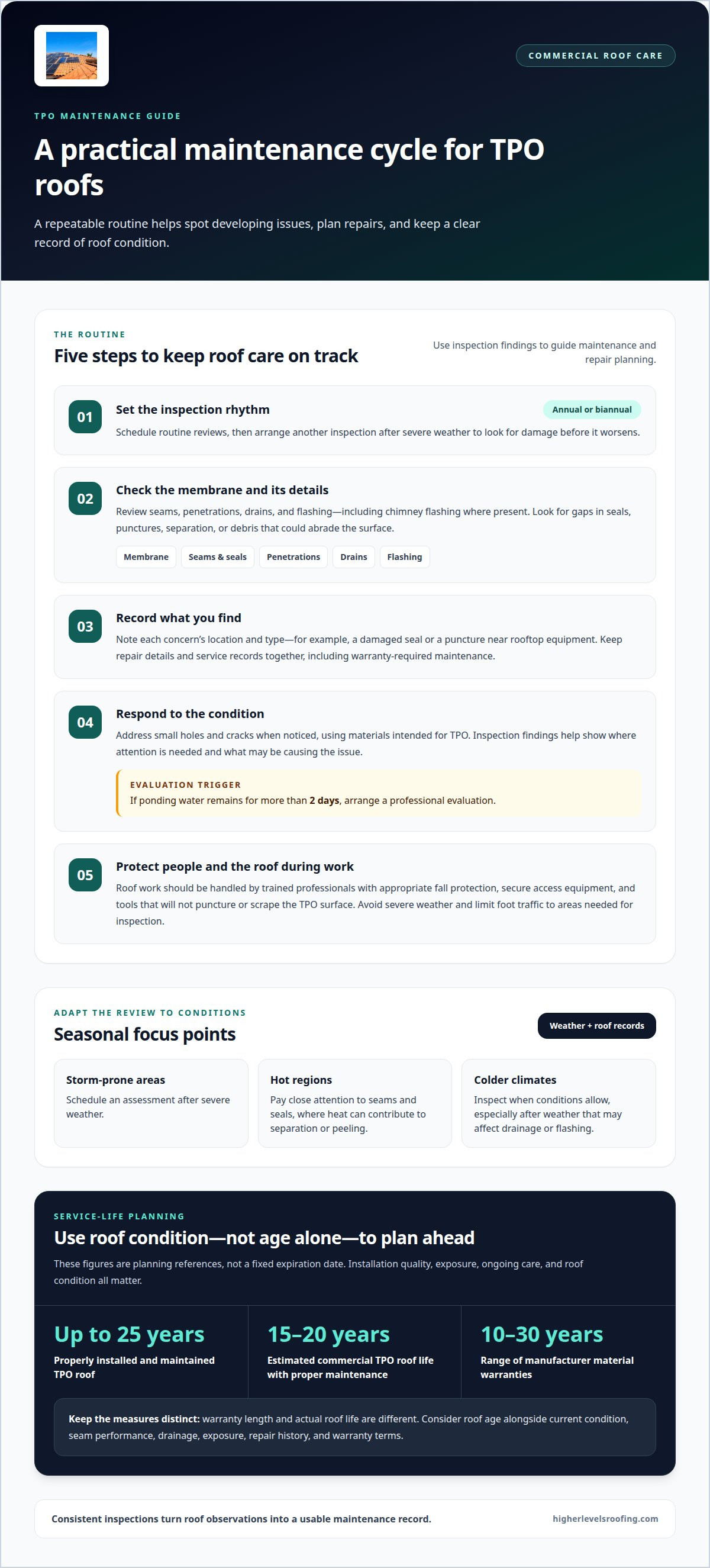
A TPO roof maintenance guide for business owners should connect routine inspections with timely repair planning. Annual or biannual reviews help track the membrane, seams, drains, and flashing.
Routine Inspection Practices
During a commercial roof inspection, review the membrane and its details for changes. Check seams, penetrations, drains, and flashing, including chimney flashing where present. Look for gaps in seals, punctures, separation, or debris that could abrade the surface. After severe weather, arrange another inspection. These checks can help identify developing problems early, even though TPO roofing is designed to provide durable, reflective protection.
Inspection and Repair Planning
Inspection findings guide repair planning by showing where attention is needed and what may be causing the issue. Record each concern’s location and type, such as a damaged seal or puncture near rooftop equipment. Address small holes and cracks when noticed, using materials intended for TPO. If ponding water remains for more than 2 days, arrange a professional evaluation. Include warranty-required maintenance, inspections, and minor repairs in annual planning.
Safety Precautions and Equipment
Safe maintenance means managing fall risks and protecting the membrane from accidental damage. Roof work should be handled by trained professionals using appropriate fall-protection equipment, secure access equipment, and tools that won’t puncture or scrape the TPO surface. Avoid work during severe weather, and limit foot traffic to areas needed for inspection. These precautions help reduce hazards and prevent avoidable damage to the roofing system.
Seasonal Maintenance Across Climates
Seasonal reviews help businesses consider how local weather affects roof condition. In storm-prone areas, schedule an assessment after severe weather. In hot regions, pay close attention to seams and seals, since high temperatures can contribute to separation or peeling. In colder climates, inspect when conditions allow, especially after weather that may affect drainage or flashing. A useful TPO roof maintenance guide for business owners connects these observations with warranty requirements and the roof’s service records.
TPO roof lifespan and maintenance
A TPO roof’s service life depends on installation quality, exposure, and ongoing care. Tracking its condition helps businesses plan maintenance and assess long-term roofing decisions.
Expected Roof Lifespan
A properly installed and maintained TPO roof can last up to 25 years. Commercial TPO roofs are also estimated to last 15 to 20 years with proper maintenance. These figures offer a planning range, not a fixed expiration date. Roof condition, seam performance, drainage, and exposure to intense weather all affect how long the system remains serviceable.
For example, a roof with localized wear may remain functional while repairs address specific damage. Widespread deterioration or recurring leaks can change the outlook, even before the expected lifespan ends. Use the roof’s age alongside its current condition, repair history, and warranty terms when planning future work. Manufacturer material warranties range from 10 to 30 years, but warranty length and actual roof life are different measures.
TPO Membrane Lifespan
The TPO membrane is the thermoplastic surface that protects the roof from weather and water entry. Performance depends on more than the material alone: installation details, seams, penetrations, and drainage all matter. An intact membrane can continue protecting the building, while damage at a seam or penetration may need prompt attention.
Heat, ultraviolet exposure, standing water, and physical damage can contribute to wear. Maintenance records help connect visible changes with past repairs and roof age, making replacement planning more informed. Warranty conditions also matter, since required maintenance can affect coverage. Keep documentation of work and preserve the manufacturer’s care requirements. For a closer look at the roof’s condition and repair needs, a TPO roofing evaluation can help clarify the next step.
Maintenance costs and roof ownership
Owning a TPO roofing system involves more than the installation. Budget planning should account for inspections, minor repairs, drainage concerns, and eventual replacement. The membrane’s condition, roof design, and repair history influence what work may be needed and when. Keeping clear records helps you match maintenance spending to the roof’s changing needs.
TPO roofing costs vary by project, and pricing is provided after a quote request. Factors include roof dimensions, access, existing conditions, and whether old materials or insulation need removal. System details matter too: mechanically attached, adhered, and ballasted systems involve different installation methods. The roof’s requirements shape the labor, materials, and estimate.
TPO is made from thermoplastic polyolefin, combining polypropylene and ethylene-propylene rubber. Installation may involve insulation, mechanical fasteners or adhesive, and heat-welded seams. Roof edges, penetrations, drains, and transitions require careful detailing. Chemical exposure or physical damage can also affect repair needs, so ownership costs depend on both the system design and the conditions it faces.
Planning for Replacement Costs
TPO roof replacement costs reflect the full scope of work, not just the new membrane. A project that retains the existing substrate and insulation differs from one that requires their removal and replacement. Roof layers, access, drainage details, and attachment method also affect the work involved. That is why one general price cannot represent every commercial roofing project.
For clearer planning, separate routine upkeep from larger capital work in your records. Note each repair’s location, cause, materials, and whether the issue returned. Repeated seam repairs in one area, for example, may signal a broader concern than an isolated puncture. Compare current inspection findings with repair history before budgeting for continued maintenance or replacement. This gives you a practical basis for decisions without treating every repair as proof that the entire system needs replacing.
Repair versus replacement decisions
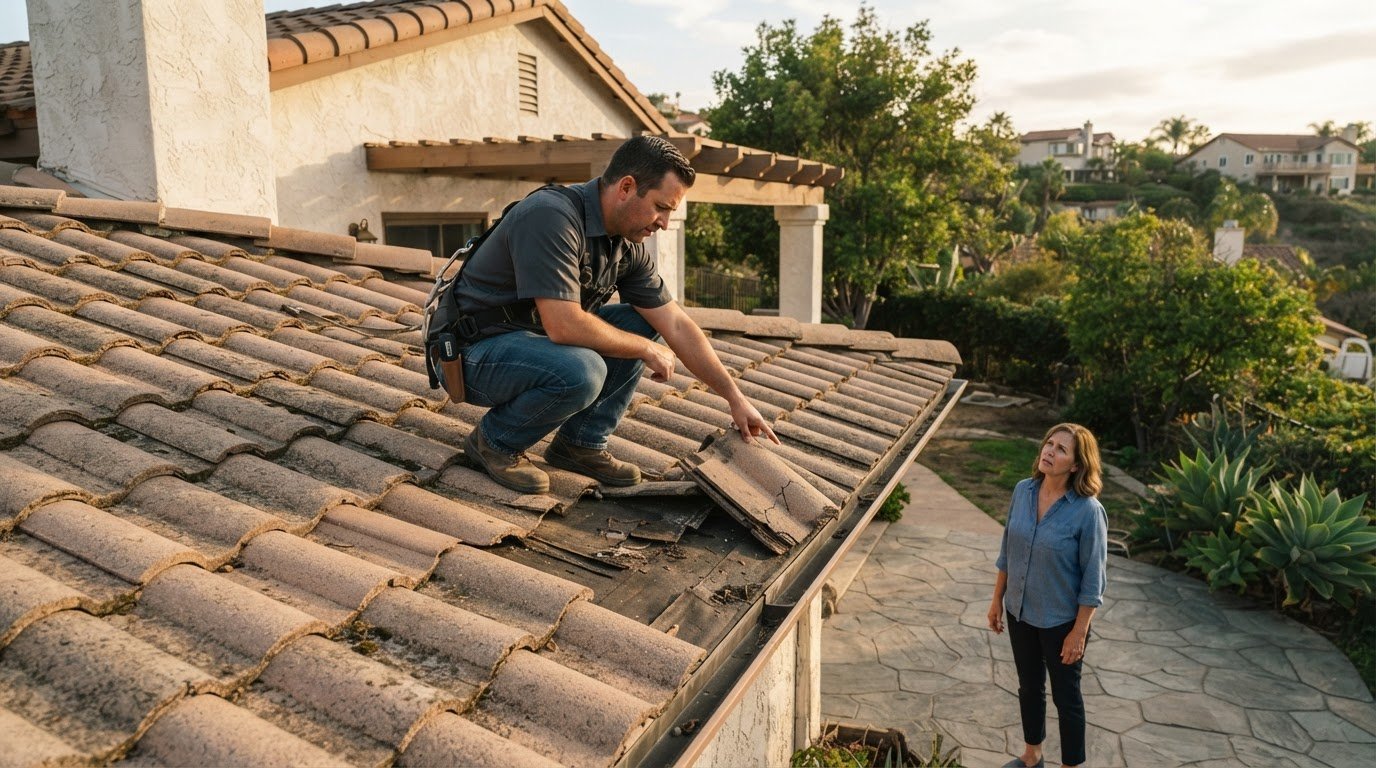
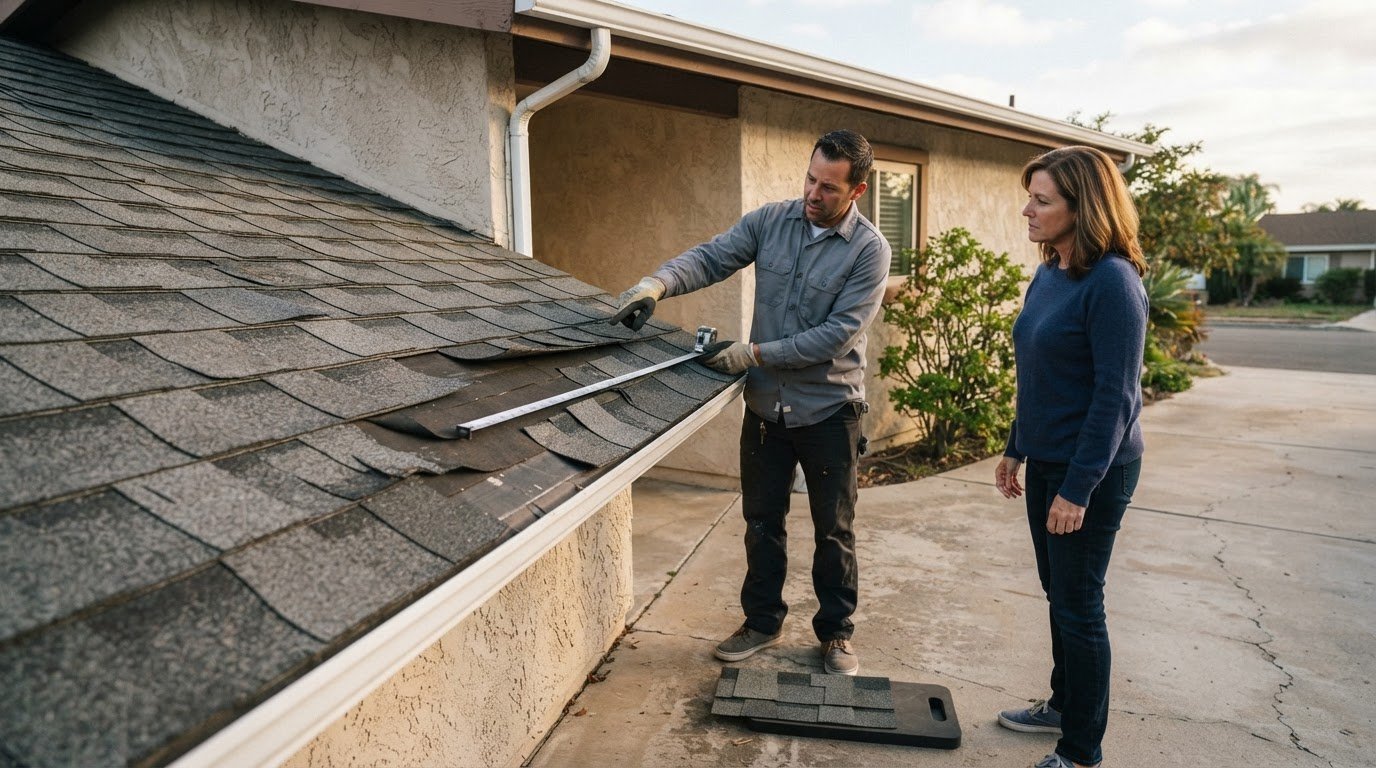
Choose repair or replacement by weighing the extent of damage, leak history, and condition of the underlying structure. Inspection findings can help distinguish an isolated membrane problem from wider system deterioration.
Repairing Holes and Cracks
Repairing holes and cracks promptly limits the chance of water reaching insulation or the building structure. Even a small puncture can admit moisture when the surrounding membrane looks sound. A roofing professional can assess the area, prepare the surface, and use a TPO-compatible repair method. Avoid incompatible sealants, which can harm the membrane or affect warranty coverage. Timely attention can keep a localized defect from becoming a broader repair.
Leak Detection and Repair
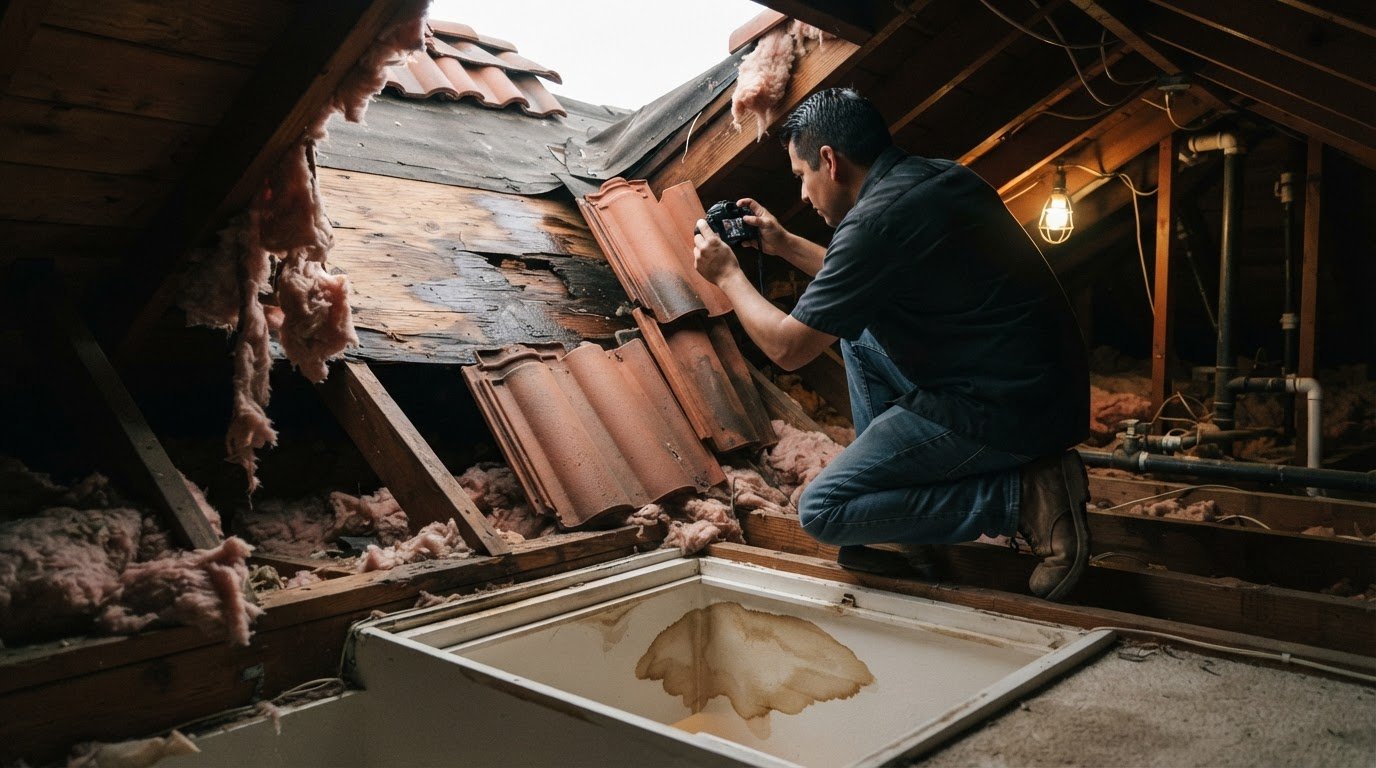
Leak detection traces indoor moisture back to a likely opening in the roofing system. A ceiling stain may not be directly below the roof defect because water can travel along insulation or structural components. A roofing professional inspects seams, penetrations, flashing, and drainage details, then matches the repair to the source. After severe weather, new interior staining or damp areas call for a prompt assessment. Finding the entry point matters: sealing the visible indoor mark alone won’t repair the roof.
TPO Roof Repair Options
TPO repair options depend on the membrane’s condition and the location of the damage. Isolated punctures or seam defects may be addressed with compatible membrane patches or seam repairs. More extensive deterioration, recurring leaks, or damage beneath the membrane may point to replacement rather than another localized fix. The installation method and existing roof layers help determine the scope. A professional assessment can establish whether repair is suitable or broader work is needed.
If a leak or membrane defect needs attention, request a TPO roof replacement assessment to assess the damage and discuss the appropriate next step.
Higher Levels Roofing: Roof Replacement Planning
Higher Levels Roofing focuses on roof replacements and new installations in San Diego County. Bring your inspection notes, photos and roof history so we can discuss whether replacement is appropriate and prepare a scope for your property. An isolated defect does not automatically mean that the entire roof needs replacement.
Higher Levels Roofing focuses on roof replacements and new installations in San Diego County. Bring your inspection notes, photos and roof history so we can discuss whether replacement is appropriate and prepare a scope for your property. An isolated defect does not automatically mean that the entire roof needs replacement.
Higher Levels Roofing focuses on roof replacements and new installations in San Diego County. Bring your inspection notes, photos and roof history so we can discuss whether replacement is appropriate and prepare a scope for your property. An isolated defect does not automatically mean that the entire roof needs replacement.
Make Your Next Roof Decision With Confidence
Use this TPO roof maintenance guide for business owners to build a practical roof plan. Keep inspection notes, repair records, and warranty documents together so future decisions reflect the building’s history. When a concern arises, clear records can help focus attention on the affected area and the available options.
Higher Levels Roofing focuses on roof replacements and new installations in San Diego County. Bring your inspection notes, photos and roof history so we can discuss whether replacement is appropriate and prepare a scope for your property. An isolated defect does not automatically mean that the entire roof needs replacement.
Contact Higher Levels Roofing to discuss your roofing needs. A thoughtful plan starts with understanding the roof in front of you, and you can move forward one informed decision at a time.
Frequently Asked Questions
What is TPO Roofing?
TPO roofing is a single-ply membrane made from thermoplastic polyolefin, a blend of polypropylene and ethylene-propylene rubber. The membrane is installed over a roof substrate, with heat-welded seams. It’s used on flat and low-slope roofs, including commercial buildings. Property owners often consider TPO for flat-roof applications where a reflective roofing surface is suitable for energy efficiency.
How Long Does a TPO Roof Last?
A properly installed and maintained TPO roof can last up to 25 years. That’s a planning benchmark, not a promise for every building. For example, a roof with recurring leaks or extensive wear may need attention sooner than one that remains in sound condition. The installation quality, exposure, drainage, and maintenance record all help explain how the roof is aging.
How long do TPO roofs last?
TPO roofs are commonly estimated to last 10 to 25 years, with proper installation and maintenance influencing where a specific roof falls within that range. For a building manager, the useful question is whether the roof’s current condition supports continued use. Review its repair history and visible wear together, rather than relying on age alone to decide when replacement planning should begin.
What Causes TPO Roofs to Fail Prematurely?
Premature TPO roof problems can result from seam separation, punctures, persistent ponding water, or damage around roof penetrations. Very high temperatures can also cause seams to pull apart or peel. For example, a leak near rooftop equipment may point to a damaged detail rather than widespread membrane failure. Identifying the source helps keep a localized issue from affecting more of the roof system.
What Type of Coating Works Best on TPO?
Higher Levels Roofing focuses on roof replacements and new installations in San Diego County. Bring your inspection notes, photos and roof history so we can discuss whether replacement is appropriate and prepare a scope for your property. An isolated defect does not automatically mean that the entire roof needs replacement.
When is the Best Time to Restore TPO Roofs?
Restoration timing depends on membrane condition and the requirements of the selected system. A TPO membrane should generally be at least 3-5 years old for a roof restoration system to perform properly. Restoration also makes more sense when the existing roof is a suitable base for that system. For commercial properties, an inspection can help establish whether restoration is appropriate or another roof solution fits better.
Comments