


How to Document Roof Damage for an Insurance Claim and Interior Leaks

A roof claim can depend on what you document before cleanup begins. Homeowners insurance may cover roof damage caused by weather, debris, or fire, but coverage depends on your policy. When documenting roof damage for an insurance claim, photograph what you can safely see from the ground, record interior leaks, and save notes and receipts.
It’s understandable to focus first on keeping water out. When it’s safe, photograph the damage before tarping or patching the roof. Never climb onto a damaged or wet surface for a better view. Clear records help show what happened and where, while helping you stay safe.
This guide explains what roof damage may be covered, when to document it, and how to record indoor water stains and leaks. You’ll also learn how to organize photos, videos, and claim notes before an adjuster’s inspection. A clear, methodical record can make the next steps easier to manage.
Table of Contents
Does homeowners insurance cover roof damage?
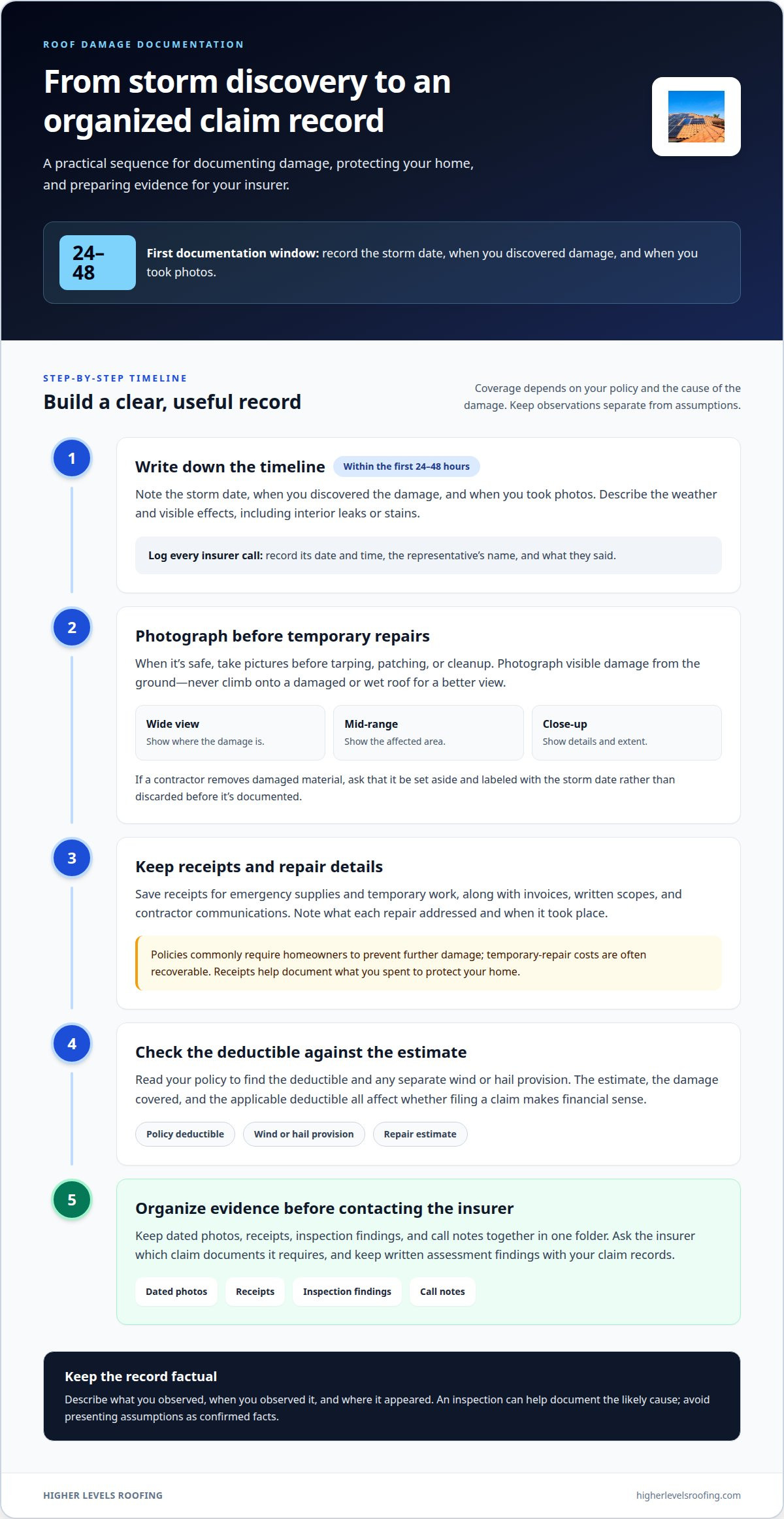
Review the policy and note the likely cause. Homeowners insurance may cover roof damage caused by weather, debris, or fire, but coverage depends on the specific policy. Record the storm date and describe what you observed, such as hail impacts, wind-lifted shingles, or a fallen branch. A careful record for documenting roof damage for an insurance claim keeps observations separate from assumptions about the cause.
Photograph visible damage from a safe location. Don’t climb onto a damaged or wet roof. When possible, take photos from the ground of missing, lifted, cracked, or dented shingles, damaged flashing, vents, and gutters. For each area, capture a wide shot that shows its location on the roof, a mid-range view, and a close-up with an object for scale. Photograph shingle pieces and other debris in the yard, too.
Build a clear damage record. Label each image with the date, house side, and location, such as “north slope, above bedroom.” Note the damage type, size or extent, severity, and possible cause. A thorough record may include 50 or more photos. Check exterior metal parts, downspouts, and visible areas for related storm damage, then list each item rather than relying on memory.
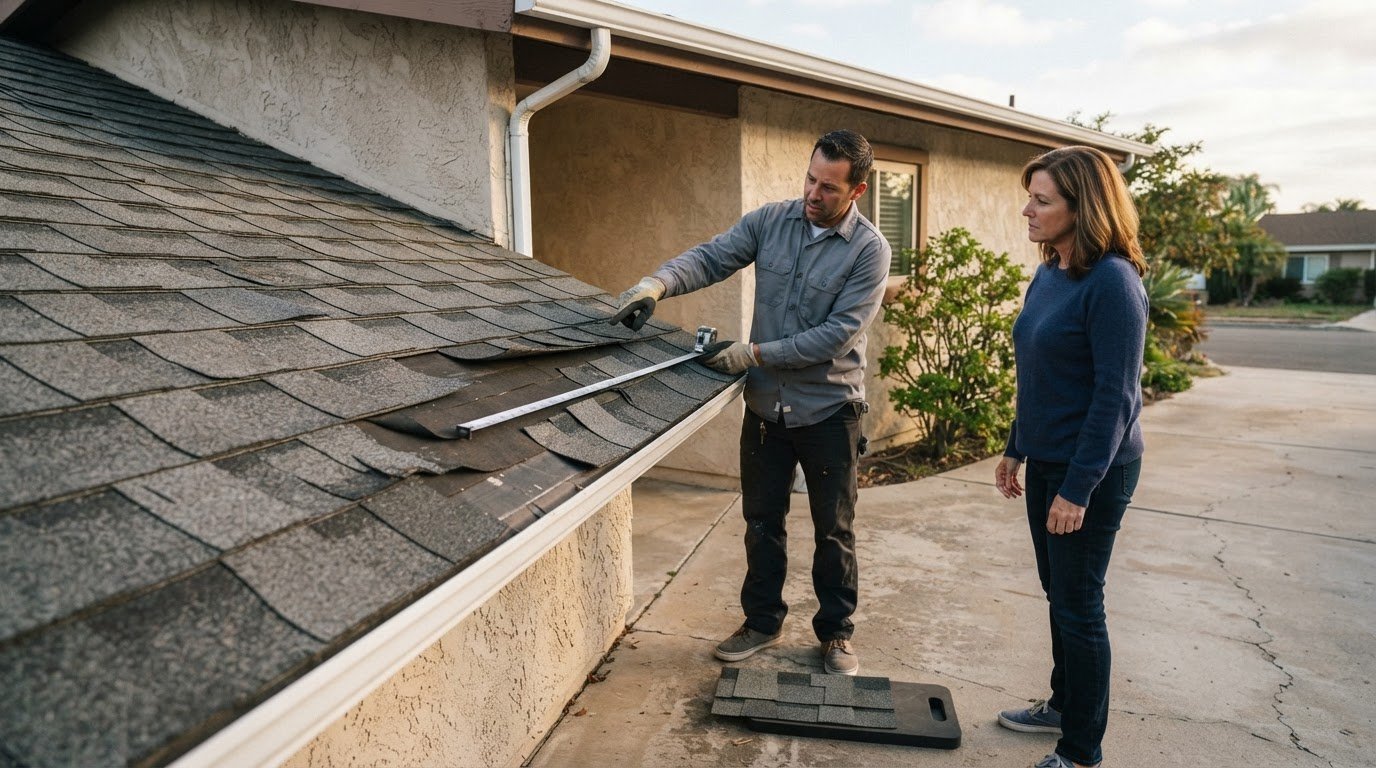
Arrange a roofing inspection and request written findings. An inspection report can describe the roof’s damage, age, and condition, whether the damage appears storm-related, and whether repair or replacement is recommended. Ask for each finding’s location and likely cause, such as hail, wind, or wear. A written estimate should outline the work and break down materials, labor, and timeline.
Submit organized evidence with any requested proof of loss form. Ask your insurer which claim documents it requires, then submit the completed form with relevant photos or videos. When documenting roof damage for an insurance claim, group files by roof area and match them to your damage list and inspection report. Keep copies of everything you send to support a clear review of the proposed roofing work.
How soon should roof damage be documented after a storm?
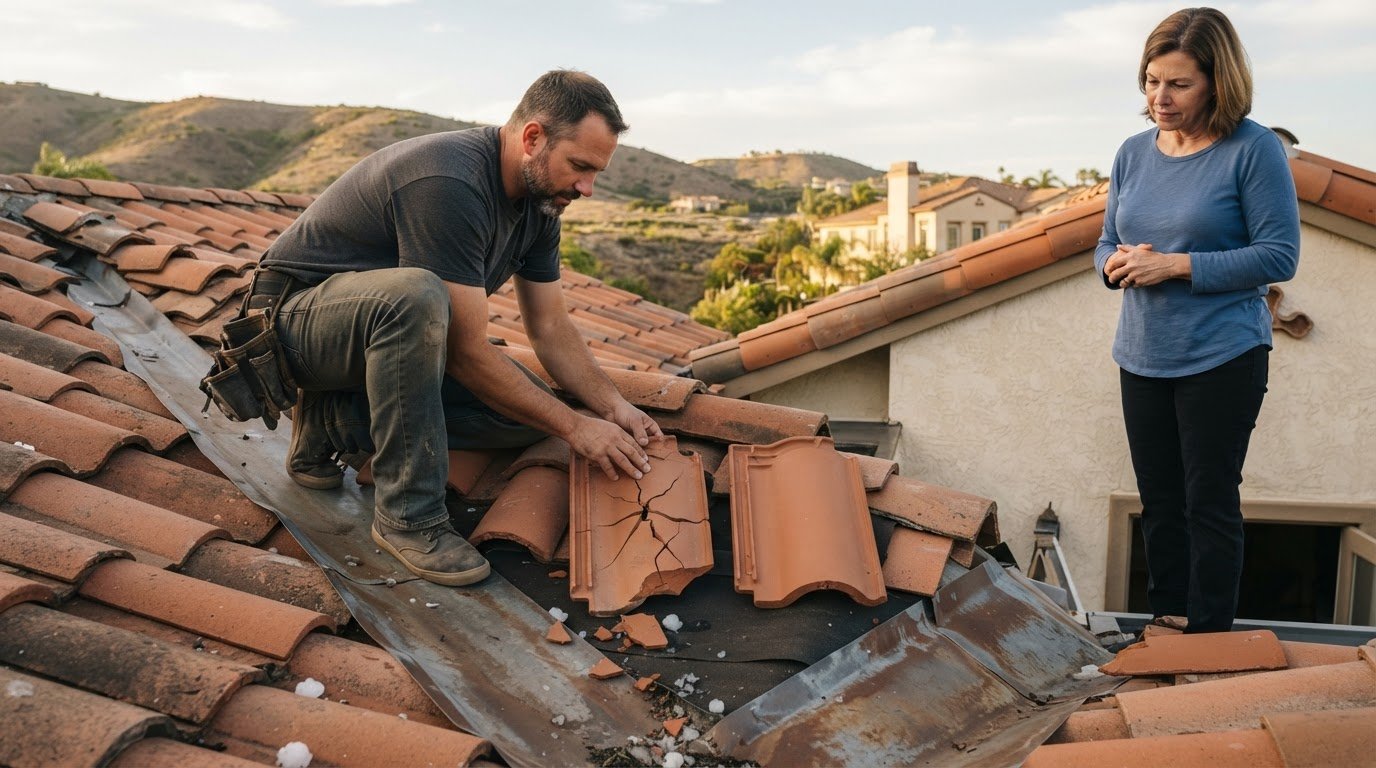
Storm damage and normal wear can have different patterns: wind may lift or crease shingles, while wear can appear as gradual deterioration. Record visible changes, and use an inspection to document the likely cause. Save repair receipts, contractor messages, and a dated timeline of when you discovered the damage, along with work, calls, and inspections.
Record the timeline within the first 24-48 hours. Note the storm date, when you discovered damage, and when you took photos. Describe the weather and visible effects, including interior leaks or stains. Add each call to your insurance company with its date, time, the representative’s name, and what they said. This sequence helps connect the storm, discovery, and follow-up.
Photograph the damage before temporary repairs, when safe. Take pictures before tarping, patching, or cleanup. Don’t climb onto the roof. If a contractor removes damaged material, ask that it be set aside and labeled with the storm date rather than discarded before it’s documented.
Keep receipts and repair details together. Save receipts for emergency supplies and temporary work, along with invoices, written scopes, and contractor communications. Note what each repair addressed and when it took place. Policies commonly require homeowners to prevent further damage, and temporary-repair costs are often recoverable. Receipts help document what you spent to protect your home.
Compare the estimate with your deductible. Read your policy to find the deductible and any separate wind or hail provision. The estimate, the damage covered, and the applicable deductible all affect whether filing a claim makes financial sense.
Organize evidence before contacting the insurer. Keep dated photos, receipts, inspection findings, and call notes in one folder. For roof concerns that need a professional assessment, arrange a roof repair assessment and keep its written findings with your claim records.
Documenting interior leaks and water stains
Interior evidence can connect a roof concern to damage inside your home. Photograph each room and record new stains or leaks without disturbing affected materials.
Record Interior Signs of Water IntrusionPhotograph each leak, stain, or damp area, then take a wide view of the room. The wider image shows the mark’s location in relation to a ceiling, wall, window, or doorway. Add close-ups to show the stain’s shape and extent. Record when you noticed it and whether it changes after rainfall.Include affected belongings in your record, and describe visible damage without assuming its cause. For example, note a ceiling stain above a bedroom and any nearby dripping water. Describe the area’s condition in your notes, and don’t cover marks before photographing them. These details help show the extent of interior damage alongside the roof evidence.
Document Attic DamageIf it’s safe to enter the attic, look for new stains after a storm and photograph them in place. Stay on the joists, and avoid stepping on insulation or unsupported ceiling surfaces. Take a wide view to establish the location, followed by a closer image of each visible stain or wet area.Label attic images by location, such as above the hallway or near the roof slope. Note whether insulation appears wet and whether there’s a distinct water mark. Don’t move or remove materials just to get a better photo. If you can’t enter safely, leave the attic inspection to a qualified professional and document interior signs visible from the ground.Keep interior and attic images together with the storm date and related event records. This creates a connected record of visible water intrusion, rather than a collection of unrelated marks. You can then share the room context and attic condition when discussing coverage or possible repairs and replacement.
Filing a claim and preparing for an adjuster visit
Notify your insurance company promptly, then organize your records before the adjuster’s inspection. Keep the claim focused on the damage, where it occurred, and the evidence supporting your account.
A claim typically proceeds from notice and inspection to the insurer’s coverage decision and payment for covered damage. The adjuster reviews the roof’s condition and supporting records, while the insurer determines what your policy covers.
A claim may be denied if the policy excludes the cause or the evidence indicates wear rather than storm damage. Read the denial explanation, compare it with the inspection findings, and submit relevant records if you believe damage was missed.
Prepare Documentation for the AdjusterGather roof and exterior photos, interior images, receipts, storm reports, and a dated call log. Include a list of damaged belongings, with photos taken before disposal. Sort records by side of the house and room so the adjuster can match each item to its location. Keep copies of submitted files and note when you sent them.
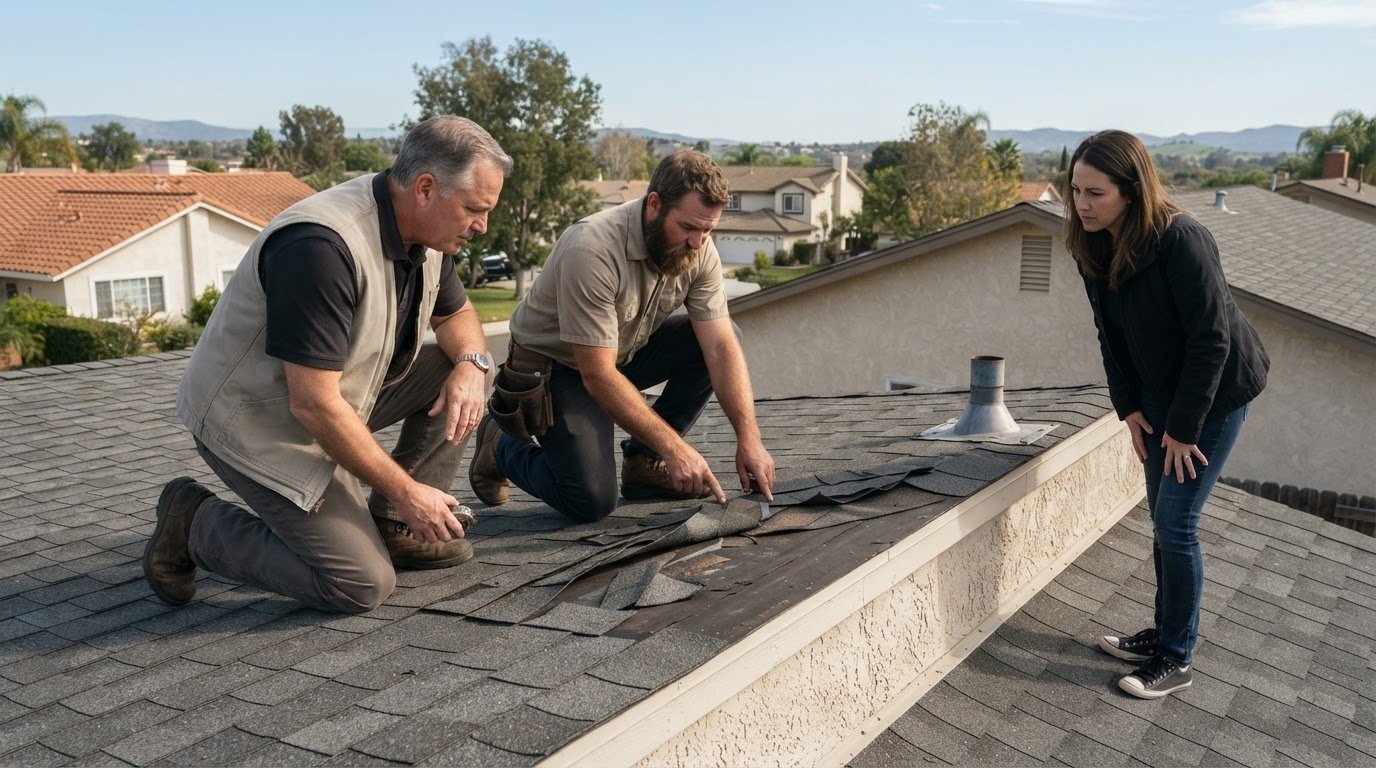
Organize and Present EvidenceIf possible, meet the adjuster with your evidence organized for easy review. Show photos of shingles, flashing, gutters, and interior leaks alongside notes identifying the related room or roof area. Share a roofing contractor’s inspection findings and compare them with the adjuster’s report afterward. If damage appears to have been missed, identify its location and provide matching documentation.
Communicate With the Insurer and AdjusterKeep each claim conversation clear and recorded. Write down the date, time, representative’s name, and what they said, then save emails and claim documents together. Ask how to submit additional photos or receipts and note any requested forms or next steps. For a professional roof assessment to support your records, arrange a roof inspection.
Higher Levels Roofing: Roof Repair Services
Higher Levels Roofing provides roof repair services for storm damage and leaks that need roof work. If your records show damaged shingles or tiles, a roofing assessment can help clarify the affected area and work needed. Keep your photos and the adjuster’s findings ready to explain what you’ve observed.
Roofing needs depend on the roof’s material and condition. Higher Levels Roofing offers asphalt shingle roofing, flat concrete tile roofing, and concrete tile roofing. These options help connect documented damage with roofing materials the company works with, so you can discuss repairs with relevant details in hand.
Contact Higher Levels Roofing to discuss roof damage and repair needs.
Choose a Clear Next Step for Your Roof
Your claim file can also help you decide what to address next. Once you have the inspection findings and the insurer’s response, compare the documented repair scope with the roof’s condition. This keeps the next decision grounded in your home’s needs, not paperwork alone. The appropriate repair depends on the material and damage observed.
Higher Levels Roofing offers asphalt shingle roofing, flat concrete tile roofing, and concrete tile roofing. If your records point to a repair or a concern with a specific material, use them to explain the area you want assessed. A focused conversation can help move from claim documentation to a practical repair discussion.
Keep documenting roof damage for an insurance claim as a record to refer to as decisions progress. Bring your photos and inspection notes into the next conversation, and take the next step at a manageable pace. Contact Higher Levels Roofing to discuss the roof issue and repair needs. A clear account of your home can help you move forward with confidence.
Frequently Asked Questions
What happens if I have partial roof damage?
For partial roof damage, the insurer assesses whether to cover repairs to damaged sections or replacement of the entire roof. For example, a localized area of lifted shingles may be distinct from unaffected slopes. Ask the adjuster which sections are included in the estimate, then compare that scope with the inspection findings and documented roof condition.
What should I share with my insurance company?
Send a concise incident summary with the storm date, when you noticed the problem, and the affected roof areas or rooms. Match each point to relevant photos, inspection notes, or receipts instead of sending an unlabeled batch. If additional damage appears after your first notice, send a dated update explaining what changed. Keep a copy of each submission.
Can I repair my roof before the insurance adjuster comes?
Yes, make necessary temporary repairs to help prevent further damage, but photograph the conditions beforehand whenever it’s safe. Save receipts, and keep removed storm-damaged materials labeled rather than discarding them before documentation. Tell the insurance company what work was done and why. Record the affected area and repair details to keep the original condition clear in your claim file.
Can my roofer meet the adjuster at my house?
You can ask your roofing contractor to attend the adjuster’s visit and explain their inspection findings. Have the contractor identify where each finding appears on the roof or inside the home. The adjuster documents the insurer’s assessment, while the contractor’s notes provide a separate point of comparison. If damage appears to have been missed, submit its location and supporting documentation.
How do I prove what the weather did on the day of the damage?
The National Weather Service’s local storm reports and the Storm Prediction Center archive can help establish whether hail or wind was reported for a particular date and area. Match the report’s date and location to your photos and notes. These records provide weather context, while your inspection documents damage observed at the property. A weather report alone doesn’t establish coverage.
How do I know if the damage is above my deductible?
Compare the insurer’s estimate for covered work with the deductible in your policy. If the covered amount exceeds the deductible, the difference can provide a starting point for estimating potential payment, subject to policy terms and claim adjustments. Check for a separate wind or hail deductible, and distinguish storm-related work from unrelated maintenance in the estimate.
Comments