


Low-Slope Roofing Solutions for Encinitas Homes and Buildings

A low-slope roof depends on more than its surface material: the roofing system and drainage design must suit the building and the roof’s condition. Choosing roofing solutions for low-slope roofs in Encinitas starts with understanding how water moves across the roof, since low-slope surfaces may not shed it quickly. The right system supports effective drainage and helps reduce the risk of leaks.
When weighing options for a home or commercial building, you need a system suited to the roof, not a one-size-fits-all answer. This guide explains how low-slope and flat roofing systems differ, how roof condition and building use affect the choice, and which details help manage water. It also covers signs that may indicate a need for repairs and how Higher Levels Roofing’s services fit these decisions.
Table of Contents
Low-slope roofing systems for commercial, industrial, and residential buildings
Commercial, industrial, and residential properties need systems selected for roof condition, building use, and drainage design. In Encinitas, the City enforces California Title 24 cool-roof standards for residential reroofing.
Comparing Low-Slope Roofing Materials
TPO, PVC, and EPDM are membrane options; modified bitumen and built-up roofing use layered construction. Their durability depends on material condition, installation quality, seams, and exposure, so no single system is best for every property. For coastal weather and salt air, assess the complete assembly and its detailing, not just the membrane name. Cost comparisons depend on roof area, preparation, material, and project scope; an estimate should reflect those factors.
Installation and Replacement Steps
A low-slope roof replacement starts with assessing the existing roof, drainage, and visible damage. The next steps are selecting a suitable system, preparing the surface, installing the roofing, and detailing edges and penetrations. Whether reroofing is appropriate or replacement is needed depends on the roof’s condition and applicable building codes. For an Encinitas project, plan permitting and inspections around the proposed work and city requirements. Ask Higher Levels Roofing to explain the project scope and provide an estimate.
Warranties and Maintenance Schedules
Warranty terms depend on the roofing system and written coverage, including what the manufacturer and installer cover. Review exclusions and maintenance conditions alongside the proposed assembly. Maintenance should keep drainage paths clear and identify surface damage or deteriorated details before water enters the building. Follow the system’s requirements and consider the roof’s condition rather than relying on a universal maintenance schedule.
For commercial and industrial buildings, roof use, drainage layout, and existing construction shape system selection. Residential reroofing also needs to meet the City of Encinitas’ Title 24 cool-roof standards. Compare assemblies by how they suit the property, how the roof directs water, and what preparation the existing surface requires.
Water collection and leak prevention
Low-slope roofs may not shed water quickly, so drainage and surface condition both matter. After rain, note where water remains and look indoors for signs of moisture.
Drainage and Pooling Problems
Pooling caused by poor drainage can signal a need for repairs. Check visible drainage paths for leaves or other obstructions, and note whether water gathers in a low area instead of flowing toward an outlet. The location and pattern can help identify whether the issue involves drainage or the roof surface.
Identifying Leaks and Preventing Water Intrusion
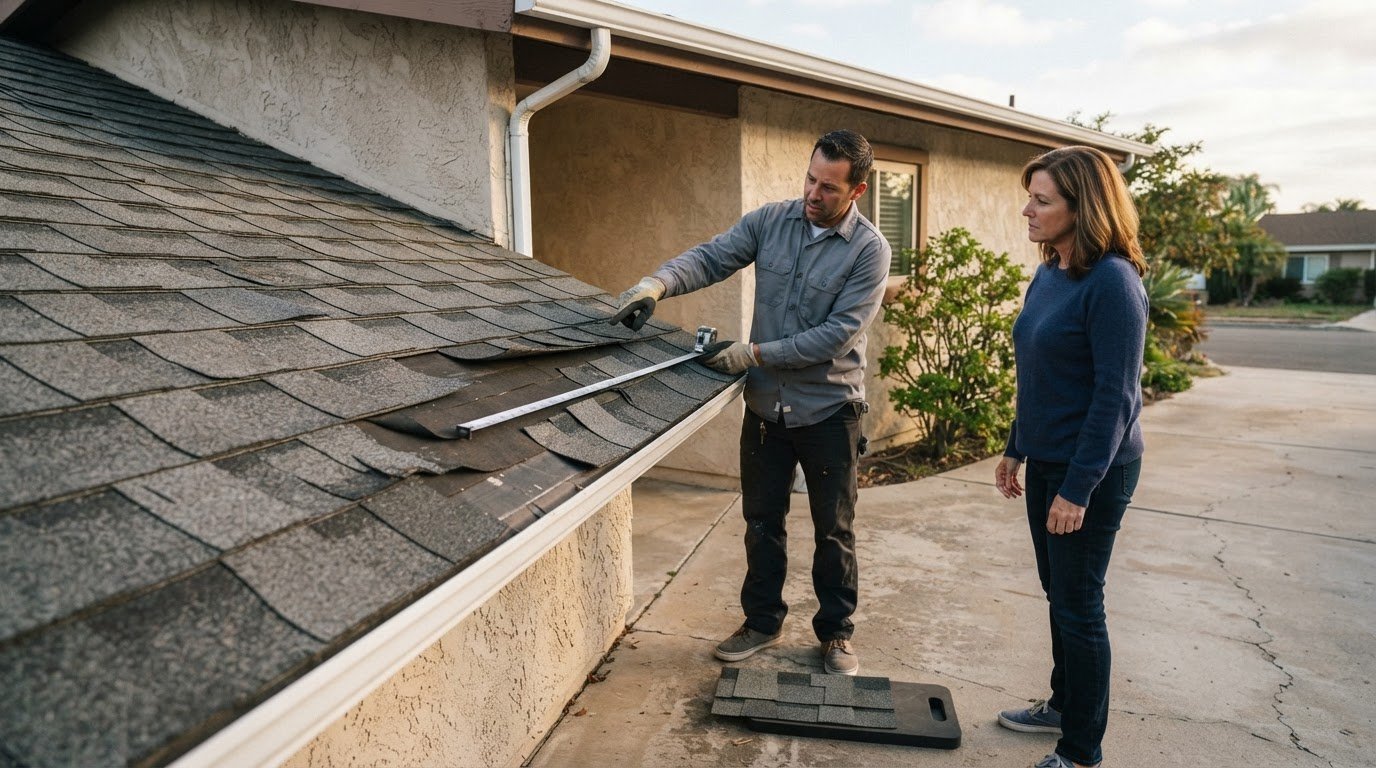
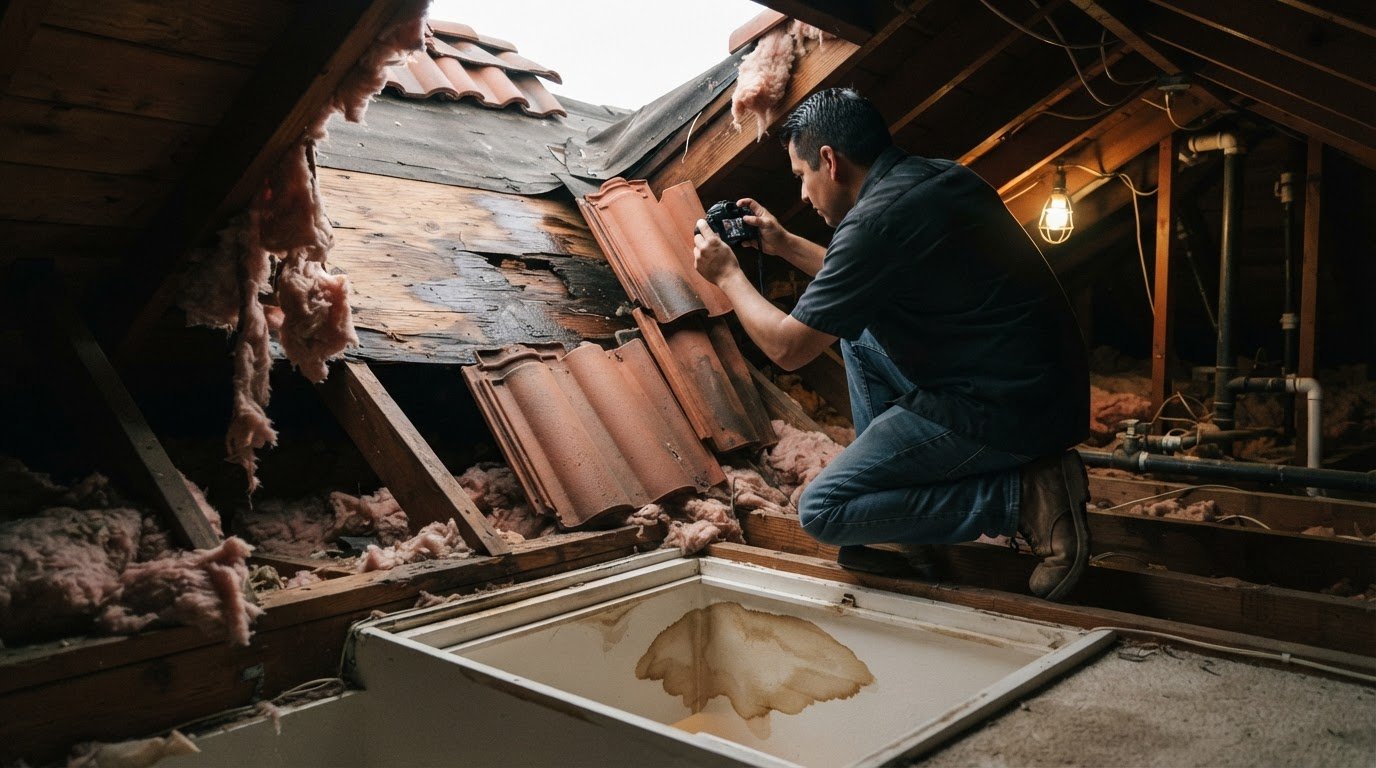
Look for water stains on interior ceilings or walls, especially after storms. From a safe viewing position, check for visible cracks, blisters, or bubbles in the roofing material, which may also indicate a need for repairs. Note where stains appear and whether they follow rainfall. This gives a roofer a useful starting point for tracing water entry.
Recurring leaks during or after storms need attention because water can travel beneath the roof surface before appearing indoors. A stain does not always reveal the exact entry point, so an assessment should consider the roof surface, drainage, seams, and transitions together. This helps distinguish a local defect from a drainage problem.
Prevention starts with keeping drainage routes clear and addressing visible damage before water reaches the building interior. A crack near a roof edge and pooling around a drain, for example, call for different checks. The roof’s condition and the route water takes across it guide the repair approach. Persistent pooling or recurring leaks should not be treated as cosmetic issues.
For recurring leaks, professional roof repair can help identify the source and address the damaged area.
Low-slope and flat roofs may collect water, unlike steep-slope systems designed to shed it quickly. That difference explains why surface water deserves attention on low-slope roofs.
Frequent leaks during or after storms, especially when they affect the interior, can indicate that a flat roof needs repairs.
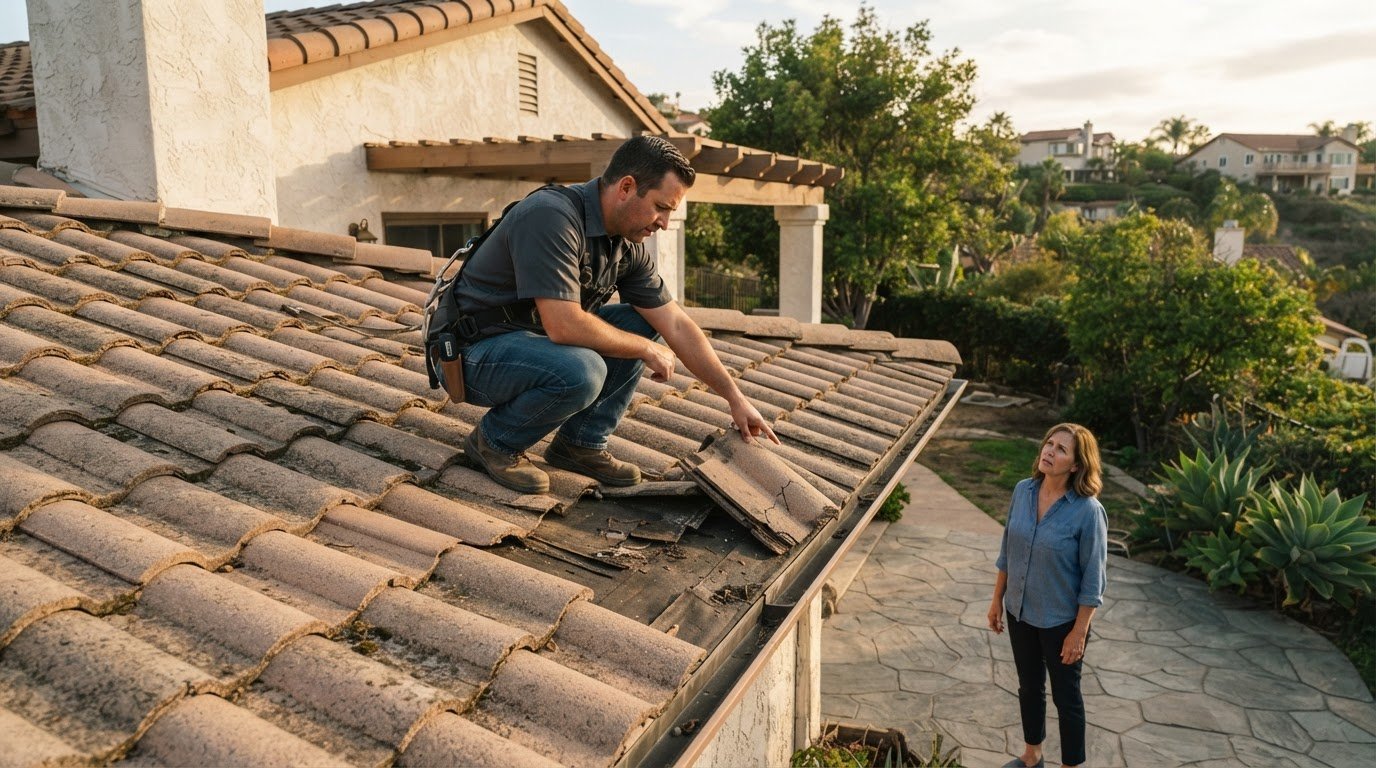
Low-slope and flat roofing
A flat roof still needs a design that directs water toward drainage points. The roofing system must suit the existing roof, the building’s use, and the maintenance plan. A small residential extension may need different detailing from a broad commercial roof. In both cases, pay attention to seams, edges, penetrations, and drainage paths.
TPO and rolled asphalt torch-down are options for low-slope projects. Their installation methods differ, so compare how each system will be fitted to the roof and detailed around edges and openings. The existing roof’s condition matters too: whether it can be reroofed or needs replacement depends on its condition and applicable building codes. That assessment helps determine the next step.
Spray polyurethane foam is another system described for low-slope roofs, though it is distinct from membrane and rolled asphalt options. The described foam expands up to 20 times its volume during application, has a density of 2.5 to 3.0 pounds per cubic foot, and a compression rating of 40 to 50 pounds per square inch. These figures describe that material, not every roof system. They help illustrate why materials should be compared by their specific properties.
For any system, review the roof’s slope, surface condition, drainage layout, and the points where roofing meets walls or equipment. An assessment can establish whether existing layers affect installation and whether replacement is appropriate. Base the decision on the whole roof assembly, not just the visible surface. For example, choosing a membrane will not fix a drainage layout that leaves water without a clear path off the roof.
In Encinitas, choosing between TPO and rolled asphalt torch-down starts with the building and roof conditions. A careful assessment connects the material choice to drainage, installation details, and applicable local code requirements. This keeps the decision focused on the roof’s actual needs.
What is the minimum roof slope for TPO, PVC, EPDM, and modified bitumen?
There is no single minimum slope that applies to every roofing system. The allowable slope depends on the specific assembly, its installation requirements, and how the roof directs water toward drainage points. A material name alone cannot establish the appropriate slope for a building in Encinitas.
For each proposed system, identify the manufacturer’s instructions for that exact assembly and compare them with the roof’s measured pitch and drainage design. TPO and PVC are membrane systems, EPDM is another membrane type, and modified bitumen uses layered materials. Those differences affect installation details, but they don’t provide a universal slope figure. Confirm the required assembly details before choosing a material.
Roof slope describes the change in height across a horizontal distance. The key question is whether the finished roof directs water toward drains or other planned outlets. A drawing of the overall roof shape may not show low areas, transitions, or obstacles that affect water flow. Assess the surface and drainage layout together.
For an existing Encinitas roof, begin with its current condition, drainage paths, and proposed replacement system. The City of Encinitas enforces California Title 24 cool-roof standards for residential reroofing; that requirement is separate from establishing a material’s minimum slope. Local building codes also matter when deciding whether an existing roof can be reroofed or needs replacement.
Use this practical sequence: measure the roof, map drains and transitions, select the exact assembly, then compare its installation requirements with the design and applicable codes. That process gives a more useful answer than applying one slope number to every product. TPO Roofing is among the available roofing categories; discuss your roof repair needs as part of planning the appropriate next step.
Higher Levels Roofing: Roof Repair Services
Higher Levels Roofing provides roof repair services for leaks, damaged roofing, and recurring water intrusion. If a low-slope roof has cracks, blisters, or interior water stains, a repair assessment can help identify the affected area and guide the next step. Roof condition and drainage both matter when deciding what work is appropriate.
For homes with pitched sections, Higher Levels Roofing also offers asphalt shingle roofing, flat concrete tile roofing, and concrete S tile roofing. These options suit different roof areas and designs; they are not substitutes for every low-slope system.
Contact Higher Levels Roofing to discuss your roof repair needs and the concerns you’ve noticed.
Plan the Next Step for Your Roof
A roof project is easier to plan when the next decision is clear. Start with the building’s needs and the roof’s condition, then use that information to shape a practical scope of work. Choosing roofing solutions for low-slope roofs in Encinitas means matching the approach to the property instead of relying on a generic recommendation.
For a roof with damage or signs of water intrusion, Higher Levels Roofing provides roof repair services. The company also offers asphalt shingle roofing, flat concrete tile roofing, and concrete S tile roofing for sections suited to those materials. Treating each roof area according to its needs helps ensure the property gets an appropriate solution.
Share the concerns you’ve noticed and the type of building involved to begin a focused conversation about next steps. Contact Higher Levels Roofing to discuss your roofing needs and move forward with clarity.
Frequently Asked Questions
What roofing systems are best for low-slope roofs in Encinitas?
Among roofing solutions for low-slope roofs in Encinitas, TPO and rolled asphalt torch-down are options for residential and commercial properties. TPO is suited to flat roofs, while rolled asphalt torch-down provides waterproofing for low-slope and flat roofs. To choose roofing solutions for low-slope roofs in Encinitas, consider the building’s use, existing roof assembly, and drainage layout together.
Which roofing materials perform best in coastal Southern California weather and salt air?
No single material is identified as best for coastal weather and salt air. Assess the complete roof assembly and its detailing, including seams, edges, penetrations, and drainage.
What are Encinitas and California building code requirements for low-slope roofing?
The City of Encinitas enforces California Title 24 cool-roof standards for residential reroofing. Whether an existing roof can be reroofed or needs replacement depends on its condition and local building codes.
How can I find licensed low-slope roofing contractors serving Encinitas?
Check that a contractor is licensed and insured and ask for its license details. Encinitas CA Roofing lists California Contractor's License #1096492, with roofing (C-39) and general construction (B) licenses.
Comments