


Roofing Installation Company in San Diego: What to Expect


Our work: a new Mission clay tile roof during installation in San Diego. See the full project in our roofing case studies.
Choosing a roof involves more than picking a material. A professional roofing installation company starts with the property’s needs, then considers which roofing system fits its design and intended use. For San Diego homeowners and commercial property owners, knowing what happens at each stage can make a major project easier to plan.
A well-planned installation accounts for the building, roof layout, existing conditions, access, and selected materials. The process typically moves from assessing the property and defining the project scope to preparing the work area, installing the roof system, and reviewing the completed work.
This guide explains what to expect from assessment through installation, which factors can shape your roofing choice, and how different systems may suit different properties. Higher Levels Roofing installs and replaces roofs for residential and commercial properties in San Diego, La Jolla, San Marcos, Encinitas, and Carlsbad. Its roofing options include asphalt shingles, concrete and clay tile, rolled asphalt torch down, and TPO. Use the information below to understand the decisions involved and prepare for a productive project discussion.
Table of Contents
What Does a Roofing Installation Company Do for San Diego Properties?
A roofing installation company plans and carries out the work of fitting or replacing a roof system. The job involves more than supplying shingles, tile, or membrane: the building’s structure, roof design, existing conditions, and selected system all shape the work. For a general introduction to roof forms and materials, see this overview of types of roofs and roofing materials.
The scope varies by property. A home with sloped roof sections presents different considerations from a commercial building with a broad, low-slope roof. Even properties with similar layouts may need different plans because their existing roofs, access points, and chosen systems differ. The company’s role is to carry out the installation or replacement in the context of the building, not simply sell a roofing product.
How installation differs from roof repair or replacement
Installation means fitting a roofing system to the needs and structure of a property. Repair addresses a specific issue in an existing roof, while replacement removes and renews an existing roof system. The appropriate scope depends on the roof’s condition and the work required. These terms describe distinct types of work, not interchangeable services. For more detail about renewal, see this guide to roof replacement in San Diego.
Buying roofing materials alone does not complete an installation. The system needs to be considered in relation to the building beneath it. Understanding this distinction helps property owners see why installation involves project-specific work, while a repair typically focuses on a particular area or concern.
Residential and commercial installation needs
For a home, appearance and household routines can influence project planning. Roof shape matters, too: sloped roofs and flat or low-slope roofs create different installation contexts. Commercial properties bring additional planning considerations, including how the building is used, its roof layout, and how work can fit around normal access and operations.
Higher Levels Roofing serves residential and commercial properties in San Diego and nearby communities, including La Jolla, San Marcos, Encinitas, and Carlsbad. Installation and replacement options include asphalt shingles, concrete and clay tile, rolled asphalt torch down, and TPO roofing. The suitable system depends on the building and the project, rather than on a single option that works for every property.
Understanding the project scope helps distinguish a complete roofing service from a materials sale or a targeted repair. It gives owners a practical starting point for identifying what their building needs. The next step is to understand how a roofing project moves from assessment to completed work.
How a Roofing Installation Moves from Assessment to Finished Roof
Knowing what each stage is meant to address makes a roofing project easier to follow. The details depend on the property, but the basic sequence is consistent: assess the building, define the scope, install the selected system, and review the finished work. Each step connects the original project needs with the roof that is ultimately installed.
Understand the property. Consider the roof’s shape, existing conditions, access, building use, and the owner’s priorities. A sloped residential roof and a flat commercial roof may need different planning.
Plan the scope. Use the property details and selected roofing system to define the work. Consider local requirements that apply to the property’s jurisdiction.
Install the system. Prepare and sequence the work according to the building and project scope, then fit the selected roofing system.
Review the completed work. Compare the finished project with the agreed scope so the property owner understands what work was completed.
What happens during project assessment and planning?
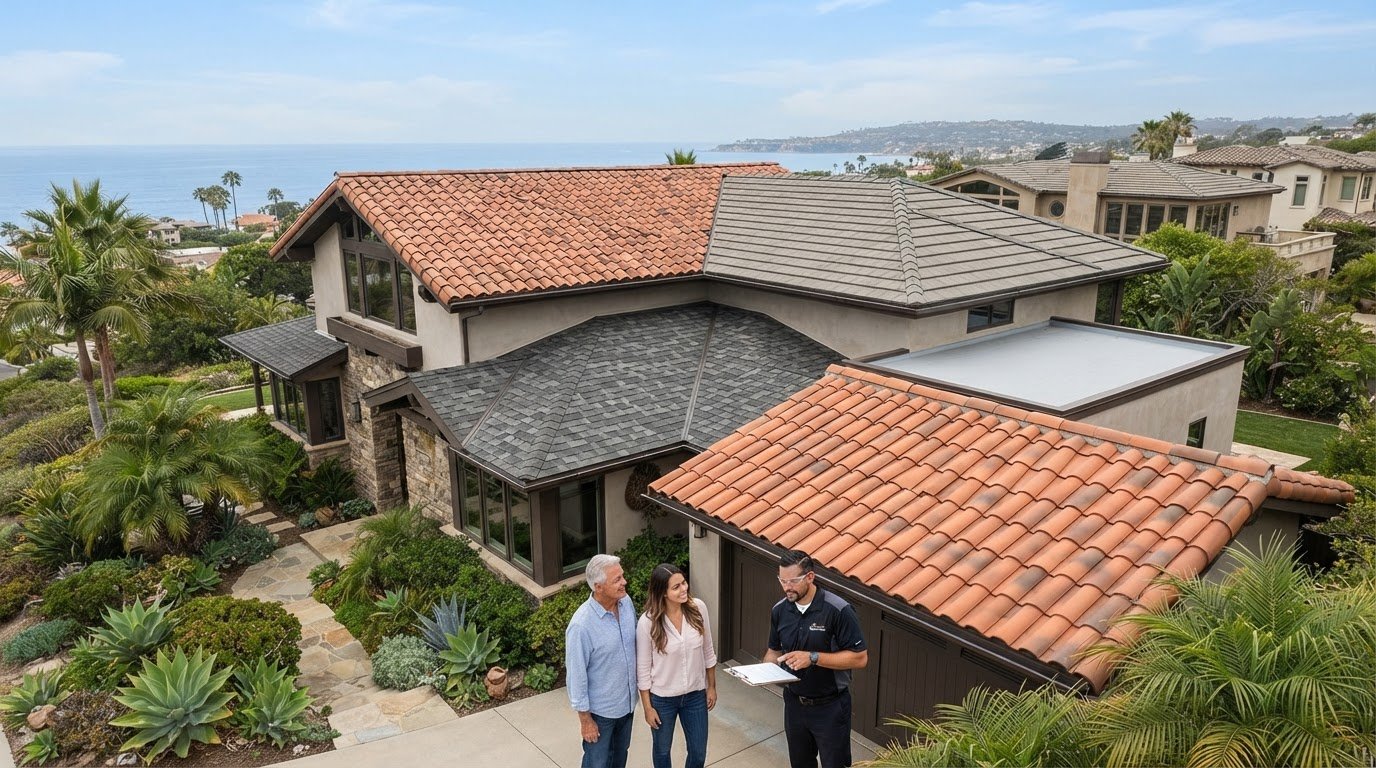
Assessment starts with the property, not an assumption that every roof is the same. Roof configuration and visible existing conditions help shape the project discussion. The owner’s priorities clarify what the work needs to address, while the building’s use and selected roofing system also influence the scope. A roofing installation company uses these details to plan work for the specific property.
Planning also includes setting expectations about the work area and access. For general industry resources, the National Roofing Contractors Association guidelines offer a reference point for understanding roofing practices. Local requirements vary by jurisdiction, so requirements for one location should not be assumed to apply throughout San Diego and nearby communities.
What should property owners expect during installation?
Preparation and work sequencing depend on the roof, selected system, and agreed scope. Before work begins, discuss access and areas that may be affected so occupants or building users can plan their routines. A business may need to coordinate how people enter and use the property while work is underway. Specific arrangements depend on the site.
When the work is complete, review it in relation to the agreed scope. This is a practical opportunity to understand what was installed and raise questions about the finished project. A clear closeout conversation links the original plan to the work in place and helps avoid assumptions about what the project included.
Higher Levels Roofing installs and replaces residential and commercial roofs in San Diego and nearby communities. See Higher Levels Roofing’s local roofing services for information about its work.
Which Roofing Installation System Fits Your Property?
No single roofing system is right for every property. The fit depends on the roof design, project scope, and owner’s priorities. Use this comparison to narrow the discussion, then consider how each option suits the building as a whole.
Roofing options for sloped residential properties
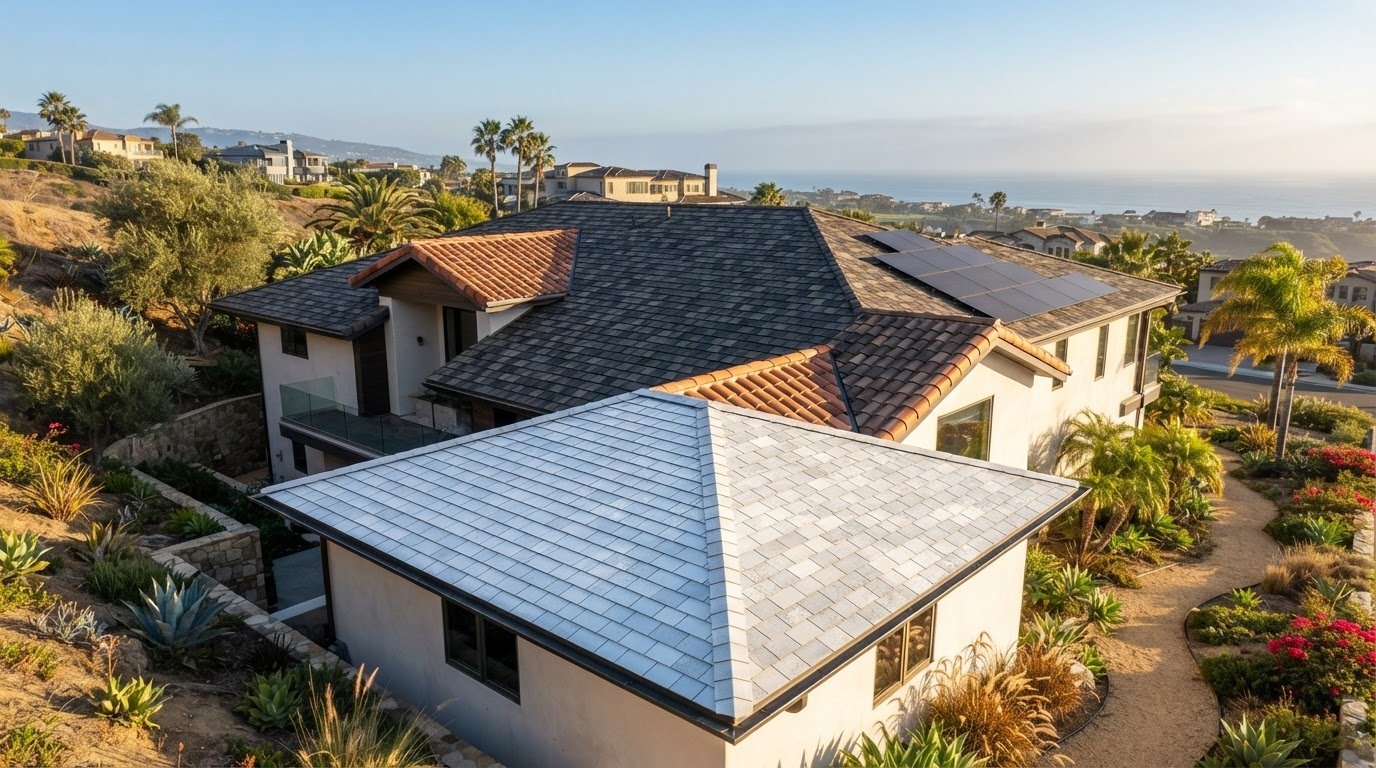
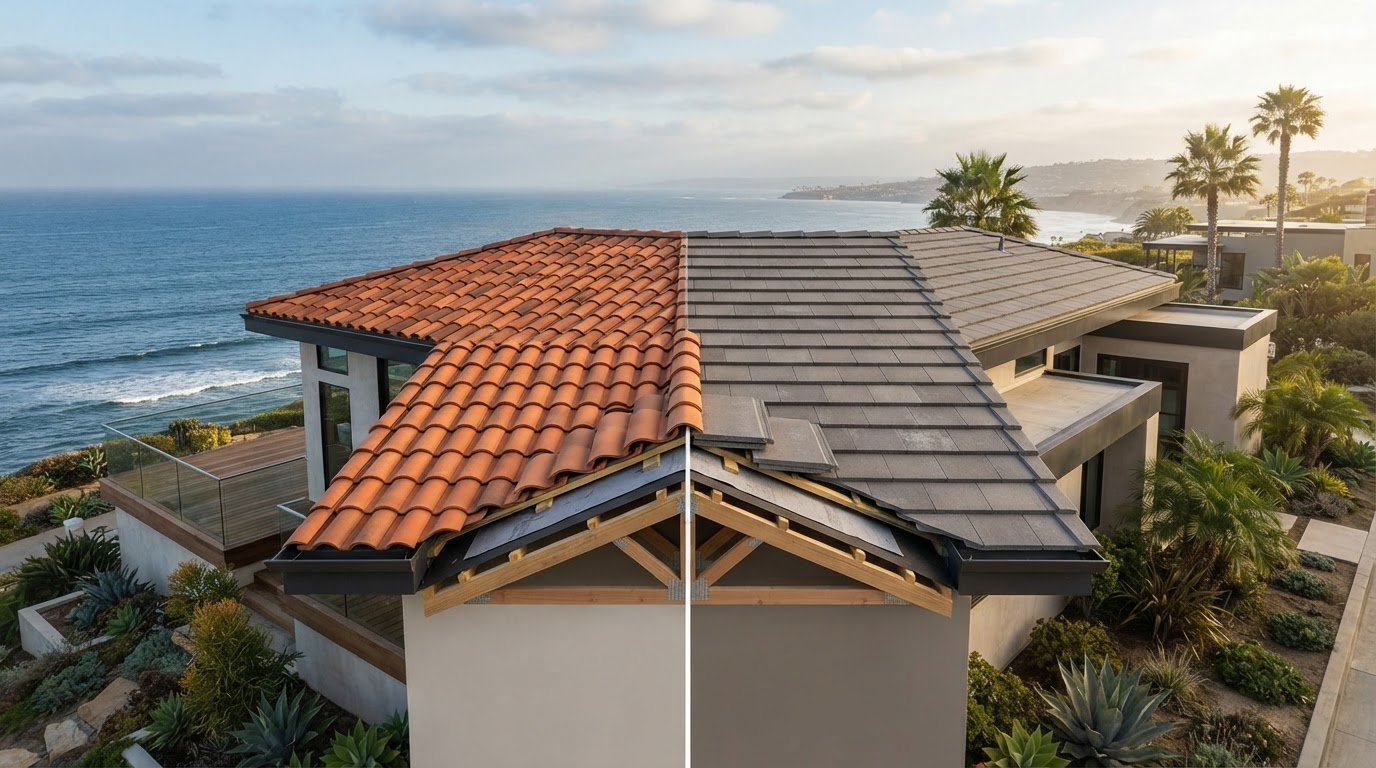
For a sloped home, options may include asphalt shingles, flat concrete tile, concrete S tile, or clay tile. Each has a distinct visual character, so the home’s appearance and the owner’s preferences can help narrow the choice. Roof configuration and the planned scope matter as well. A material should suit the project, not just look appealing on its own. Owners considering tile can explore this San Diego roof tile guide for more detail.
A roofing installation company can weigh those priorities alongside the roof design when discussing suitable options. This keeps the decision grounded in the actual property instead of relying on a simple ranking of materials.
Roofing options for flat and low-slope properties
Rolled asphalt torch down and TPO are options for relevant flat and low-slope projects. The building’s layout and intended use help guide the discussion. For example, a commercial property’s use may shape project needs differently from those of a residence, even when both roofs have a low slope. Existing conditions and the defined scope also help determine which system fits the work.
Higher Levels Roofing installs asphalt shingles, concrete and clay tile, rolled asphalt torch down, and TPO systems for residential and commercial properties. Instead of assuming one material suits every building, consider roof type, appearance, building use, and project scope together when comparing options.
How to Prepare Your Property for Roofing Installation
Some preparation can make a roofing project easier to manage, even though work may affect access and everyday routines. The right steps depend on the property and project scope. Before installation begins, review the agreed scope, note practical questions, and identify the people, vehicles, and areas that may be affected. Clear communication with your roofing installation company helps everyone understand how the work area will be used.
Keep a copy of the agreed project scope and note questions you want addressed.
Identify access routes and work areas that may need to stay clear.
Share property-specific access or safety considerations with the project team.
Preparing a home for roofing work
Look at the areas around your home that could be affected by access or active work. Where practical, move vehicles and personal belongings away from designated work areas. Plan household routines around access needs discussed with the project team, and keep children and pets away from active work zones. Share any specific entry arrangements or safety considerations before work starts.
Some disruption is possible during roofing work, so plan for changes rather than assuming normal routines will be unaffected. Keep key questions and scope details together, and share relevant updates with everyone in the household. Information about the property can help the project team coordinate the work area and access arrangements.
Preparing a commercial property
For a business, preparation means coordinating roofing work with how people use the building. Identify entrances, access routes, and areas that may need coordination during the project. Property managers can share relevant building-use requirements with the project team and communicate work-area notices to affected tenants or staff. Arrangements depend on the building and agreed scope, so discuss them before work begins.
Consider who needs to know about access changes or affected areas, and how that information will reach them. A short, clear notice can help staff and tenants plan their routines without implying that access will remain unchanged throughout the project. Keep a record of agreed arrangements and questions that still need discussion.
Before work starts, review the scope and understand which areas may be involved. At a residence, that could mean preparing the household and driveway. At a commercial building, it may mean sharing access details with people who use the site. These steps will not remove every disruption, but they can help occupants feel informed and ready.
Higher Levels Roofing serves residential and commercial properties in San Diego and nearby communities. Learn about planning a roofing installation with the local team.
Choose Higher Levels Roofing for Installation in San Diego
Higher Levels Roofing is a licensed roofing contractor serving San Diego and nearby communities. The company installs and replaces residential and commercial roofs, with several roofing systems available for different project needs. Whether you manage a commercial property or are planning work on your home, start with the building itself: its roof, how it is used, and what you want the project to address.
Roofing services include:
Asphalt shingle roofing
Flat concrete tile, concrete S tile, and clay tile roofing
Rolled asphalt torch down roofing
TPO roofing
Tile roof lift-and-relay projects
These options suit different project contexts. A sloped home and a commercial building may call for different systems and scopes, so consider material choice alongside roof layout and property needs. Higher Levels Roofing focuses on new installations, full roof replacements and suitable tile lift-and-relay projects. The first step is understanding the work the property needs.
Local roofing service for San Diego-area properties
Higher Levels Roofing serves San Diego, La Jolla, San Marcos, Encinitas, and Carlsbad. Properties across these communities differ in layout, roof design, and project requirements, so the details of one job will not necessarily describe another. Sharing the property’s location and roof context helps focus the project discussion on the specific building.
The company serves both residential and commercial properties in these communities. Its licensed contractor status and range of roofing services provide a local point of contact for owners planning a new installation, roof replacement or tile lift-and-relay project.
Plan your roofing installation with a clear next step
To start a project discussion, describe whether the property is residential or commercial, what you know about its roof, and what you want the work to accomplish. Mention whether you are considering a new installation, replacing an existing roof or renewing the waterproofing beneath reusable tile. This helps clarify the scope without requiring you to arrive with every technical detail.
A useful project discussion is practical and specific. Share relevant details about the building and your questions about the work or roofing system. That gives the conversation direction and helps connect the project approach to your priorities.
Explore Higher Levels Roofing’s roofing services for residential and commercial work in San Diego and nearby communities.
Take the Next Step Toward a Roof That Fits
A roofing project is an opportunity to make a considered choice for your property, not simply swap one material for another. Focus on the needs that matter most, from the building’s layout to how you want the finished roof to serve the space. That clarity can make a conversation with a roofing installation company more useful and help you move forward with confidence.
You do not need to have every detail decided before exploring your options. Start with the property and your goals, then consider the roof type, building use, and project scope together. Higher Levels Roofing provides roofing services for residential and commercial properties in San Diego, La Jolla, San Marcos, Encinitas, and Carlsbad.
Frequently Asked Questions
Is a roofing installation company different from a roofing contractor?
The terms often overlap because roofing contractors may handle installation as part of their work. Rather than relying on a title alone, consider the project scope: does the work involve fitting a roof system, replacing an existing one, or addressing a specific repair? Property type matters, too. A roofing installation company should explain how the planned work relates to your building, whether it is a home or commercial property.
How do I know which roofing system is right for my property?
Your roof configuration, building use, appearance priorities, and project scope all help shape the choice. Higher Levels Roofing installs asphalt shingles, flat concrete tile, concrete S tile, clay tile, rolled asphalt torch down, and TPO systems. A sloped home and a low-slope commercial building, for example, may suit different options. No one system is best for every property, so base the decision on the building and work required.
Can a roofing installation company work on both homes and commercial buildings?
Yes. Higher Levels Roofing serves both residential and commercial properties. Building use and roof design influence how an installation is planned. A household’s access needs differ from considerations for an occupied business property. Sharing how the building is used helps clarify project priorities and practical details during roofing work.
What should I do before roofing installation begins?
Before work begins, coordinate access with the project team and move vehicles away from designated work areas where practical. Put personal belongings in a safe place, and keep household members, children, and pets clear of active work zones. Mention specific entry arrangements or access considerations in advance. For a business, share relevant access information with staff or tenants so they can plan around affected areas.
Does Higher Levels Roofing install tile and flat roofing systems?
Yes. Higher Levels Roofing installs concrete and clay tile roofing, as well as rolled asphalt torch down and TPO systems. Tile may suit a sloped roof, while rolled torch down or TPO may be options for a flat or low-slope project. The right fit depends on the property’s design and project scope, rather than any material being automatically suitable for every building.
Which areas does Higher Levels Roofing serve?
Higher Levels Roofing serves San Diego, La Jolla, San Marcos, Encinitas, and Carlsbad. Properties and project needs vary across these communities. When discussing roofing work, share the building’s location and property type so the project can be considered in the context of the specific roof and site.
Can the same roofing company handle installation, replacement, and repairs?
Yes. A roofing company may handle all three types of work, though each has a different scope. Installation fits a roofing system, replacement renews an existing roof, and repair addresses a specific issue. Higher Levels Roofing provides installation, replacement, and repair services for residential and commercial properties. A localized roof concern may call for repair, while work to renew the existing system is a replacement.
Comments